正在确认阅读权限…
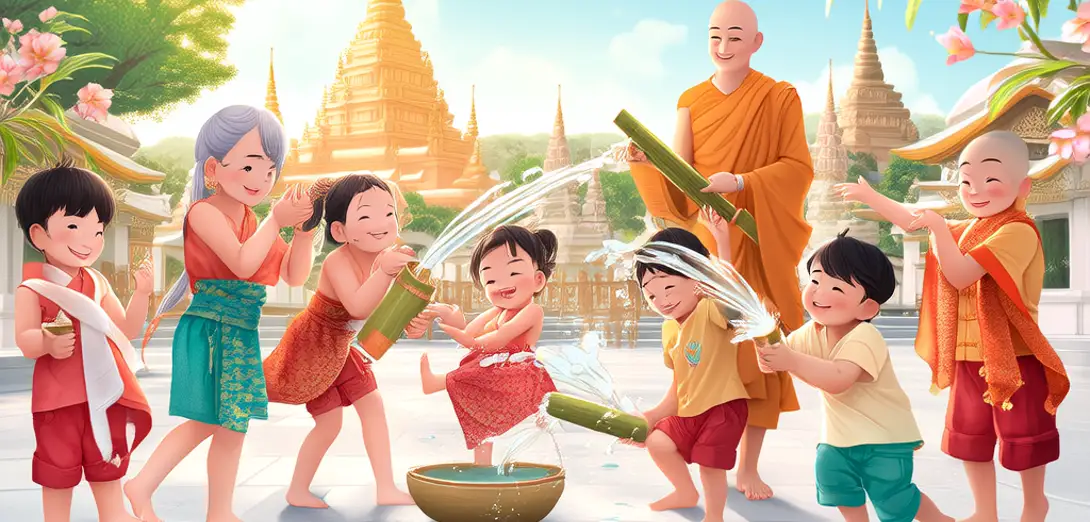
Songkran: Thailand’s Water Festival and Buddhist Reset
宋干节:泰国的泼水节与佛教重启仪式
-
Songkran, held April 13–15, combines Theravada Buddhist rituals with joyful public water play.宋干节于4月13日至15日举行,融合了上座部佛教仪式与欢乐的公众泼水活动。
-
Before the festivities, Thais visit temples to offer food to monks, pour scented water over elders’ hands, and clean Buddha statues.节庆前,泰国人会前往寺庙供养僧侣、向长辈手心倾倒香花水,并清洗佛像。
-
This symbolic cleansing reflects inner purification, gratitude, and respect for intergenerational wisdom.这一象征性净礼体现内心的净化、感恩,以及对代际智慧的敬重。
-
In Chiang Mai, streets become rivers of laughter as locals and tourists douse each other with buckets and water guns.清迈街头化作欢笑之河,当地人与游客手持水桶、水枪相互泼洒。
-
Unlike casual partying, Songkran’s water carries meaning—it represents washing away bad luck and renewing intentions.宋干节的泼水并非随意玩闹,而是寓意洗去厄运、焕新心愿。
-
Families reunite across provinces, making it Thailand’s busiest travel period, even busier than Chinese New Year there.家人跨府团聚,使其成为泰国最繁忙的出行季,甚至比当地春节更甚。
-
Eco-conscious groups now promote biodegradable water guns and refill stations to reduce plastic waste during celebrations.环保团体如今倡导使用可降解水枪及设置补水站,以减少节庆期间的塑料垃圾。
-
International schools in Bangkok hold multicultural Songkran workshops where students compare it to Brazil’s Festa Junina or India’s Holi.曼谷的国际学校举办多元文化宋干节工作坊,让学生对比巴西六月节或印度胡里节。