正在确认阅读权限…
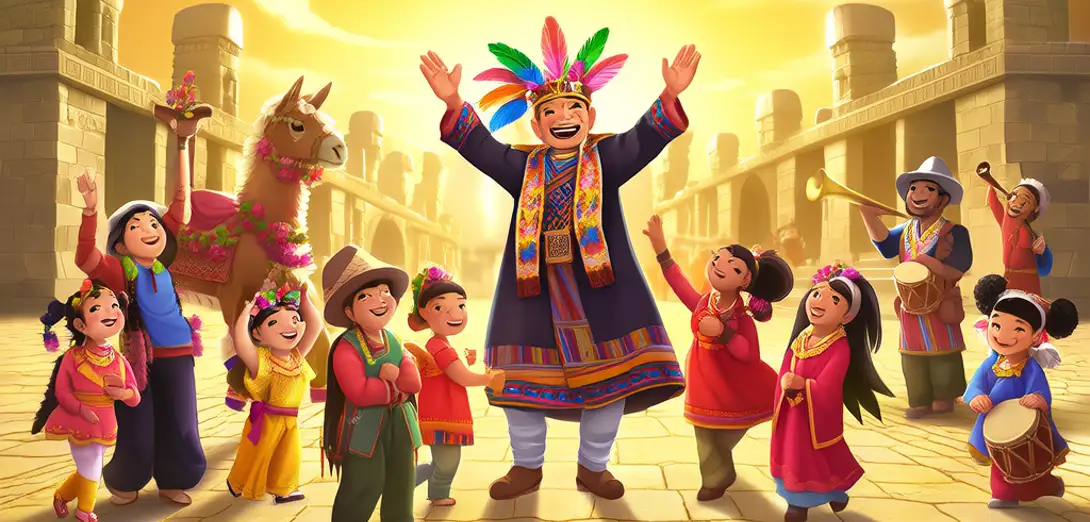
Inti Raymi: Inca Sun Worship Revived in Peru
因蒂拉伊米节:秘鲁复兴的印加太阳崇拜
-
Every June 24th near Cusco, thousands gather at Sacsayhuamán fortress to witness a dramatic reenactment of the ancient Inca solstice ritual.每年6月24日前后,在库斯科附近,数千人齐聚萨克塞瓦曼堡垒,观看重现古印加夏至仪式的盛大演出。
-
Actors dressed as the Sapa Inca, priests, and warriors perform chants in Quechua—the language still spoken by eight million Andeans.身着萨帕·印卡、祭司和武士服饰的演员用克丘亚语吟唱——这种语言至今仍被八百万安第斯居民使用。
-
Historians note that Spanish colonizers banned Inti Raymi in 1572, but Peruvians revived it in 1944 as part of cultural decolonization.历史学家指出,西班牙殖民者于1572年禁止了太阳节,但秘鲁人于1944年将其复兴,作为文化去殖民化的一部分。
-
Offerings of chicha (fermented corn drink), coca leaves, and symbolic llama sacrifices honor Inti, the sun god and source of all life.人们献上奇恰酒(发酵玉米酒)、古柯叶及象征性的羊驼祭品,以敬奉太阳神因蒂——万物生命的源泉。
-
Local schools integrate Quechua vocabulary and Inca astronomy into science curricula, linking ancient knowledge to modern ecology.当地学校将克丘亚语词汇与印加天文学融入科学课程,使古代知识与现代生态理念相联结。
-
Tourists buy handwoven textiles depicting solar motifs, supporting artisan cooperatives run mostly by Quechua women.游客购买手织太阳纹样纺织品,支持主要由克丘亚妇女运营的手工艺合作社。
-
The ceremony ends with communal feasting on roasted guinea pig and quinoa stew—foods central to pre-Columbian Andean diets.仪式以众人共食烤豚鼠与藜麦炖菜收尾——这两种食物是前哥伦布时期安第斯饮食的核心。
-
Unlike static museum displays, Inti Raymi treats heritage as living practice, constantly reshaped by contemporary values and voices.与静态博物馆陈列不同,太阳节将文化遗产视为活态实践,持续被当代价值观与声音重塑。