正在确认阅读权限…
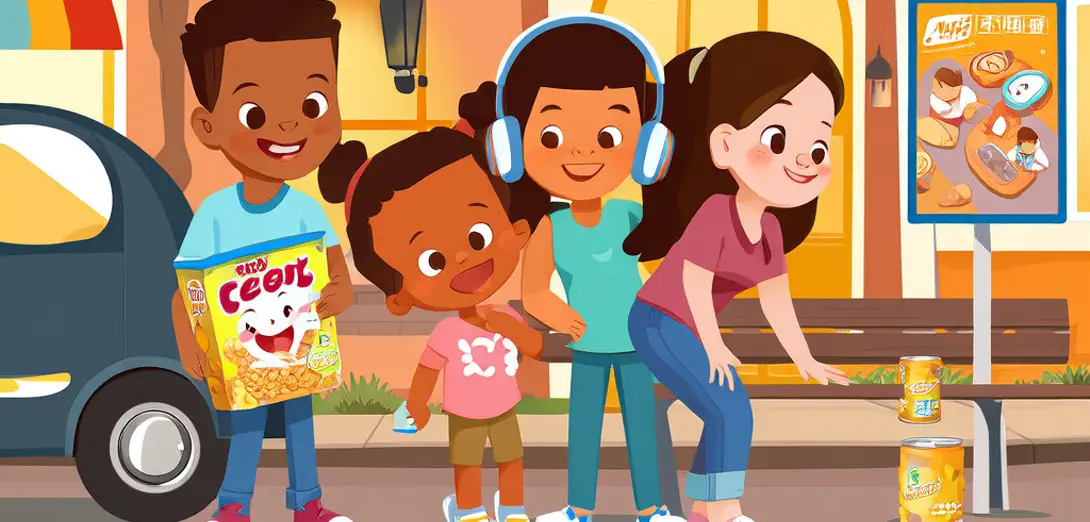
How Advertising Shapes Our Economic Choices
广告如何影响选择
-
Ads don’t just inform — they create associations between products and feelings like success, safety, or belonging.广告不仅传递信息,更在产品与成功、安全、归属感等情感之间建立联系。
-
Repeated exposure increases familiarity, which often leads people to choose advertised brands over unknown alternatives.反复接触会提升熟悉度,人们因此往往倾向选择广告宣传的品牌,而非不知名的竞争产品。
-
Psychological tactics like scarcity claims or social proof subtly guide purchasing behavior without explicit commands.稀缺性宣称、社会认同等心理策略,以潜移默化的方式引导购买行为,无需明确指令。
-
Regulators require truthfulness in pricing and performance claims, but emotional appeals remain largely unregulated.监管机构要求价格与性能宣传必须真实,但情感诉求基本不受监管。
-
Digital platforms use browsing history to serve personalized ads, raising both effectiveness and privacy concerns.数字平台利用浏览历史推送个性化广告,在提升效果的同时引发隐私担忧。
-
Brand loyalty built through decades of advertising can outweigh price differences in consumer decisions.数十年广告塑造的品牌忠诚度,常足以抵消价格差异对消费者决策的影响。
-
Public service campaigns also use similar techniques to promote vaccination or energy conservation.公益广告同样运用类似技巧,推动疫苗接种或节能行动。
-
Firms invest heavily in ad research to test how messages affect recall, trust, and willingness to pay.企业投入大量资源开展广告研究,测试信息对记忆度、信任感及支付意愿的影响。
-
Even economists study ad elasticity — how much sales change when marketing budgets shift.连经济学家也研究广告弹性——即营销预算变动对销量的影响程度。
-
Ultimately, advertising is a key mechanism through which information, persuasion, and market power interact.归根结底,广告是信息、说服力与市场力量相互作用的关键机制。