正在确认阅读权限…
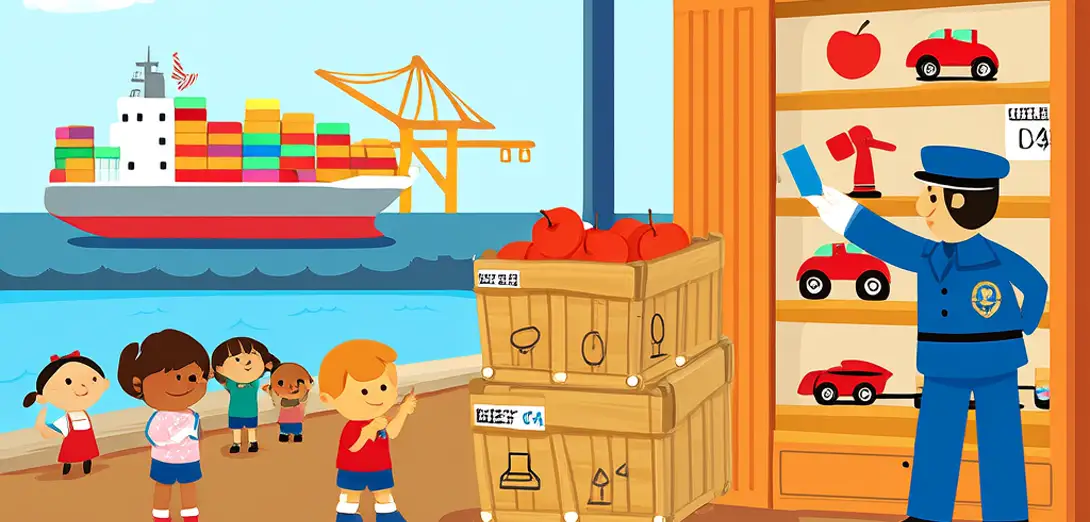
Tariffs and the Hidden Cost Added at the Border
关税与边境上隐含的额外成本
-
Tariffs are taxes imposed on imported goods, paid by domestic importers to their government.关税是对进口商品征收的税,由本国进口商向本国政府缴纳。
-
Though levied on foreign producers, tariffs usually raise final prices for local consumers.虽然关税针对外国生产商征收,但通常会推高本地消费者的最终价格。
-
Importers may absorb part of the cost, but most pass it on through higher retail tags.进口商可能承担部分成本,但多数会通过提高零售价转嫁给消费者。
-
Domestic firms facing foreign competition sometimes lobby for tariffs to protect market share.面临外国竞争的国内企业有时游说政府加征关税以保护市场份额。
-
Retaliatory tariffs from trade partners can hurt exporters in unrelated industries.贸易伙伴的报复性关税可能损害其他无关行业的出口企业。
-
Economists measure tariff incidence by tracking who actually bears the financial burden.经济学家通过追踪实际承担财务负担的主体来测算关税归宿。
-
Low-income households spend a larger share of income on tariff-affected goods like clothing.低收入家庭在服装等受关税影响的商品上支出占收入比例更高。
-
Complex supply chains mean tariffs can disrupt inputs used in locally made products too.复杂的供应链意味着关税也可能扰乱本地制造产品所用的进口投入品。
-
Temporary tariffs may encourage local production, but long-term ones distort resource allocation.临时性关税或可促进本地生产,但长期关税会扭曲资源配置。
-
They shift economic activity—not always toward efficiency, but toward political priorities.关税改变经济活动方向——未必导向效率提升,而常服从政治优先事项。