正在确认阅读权限…
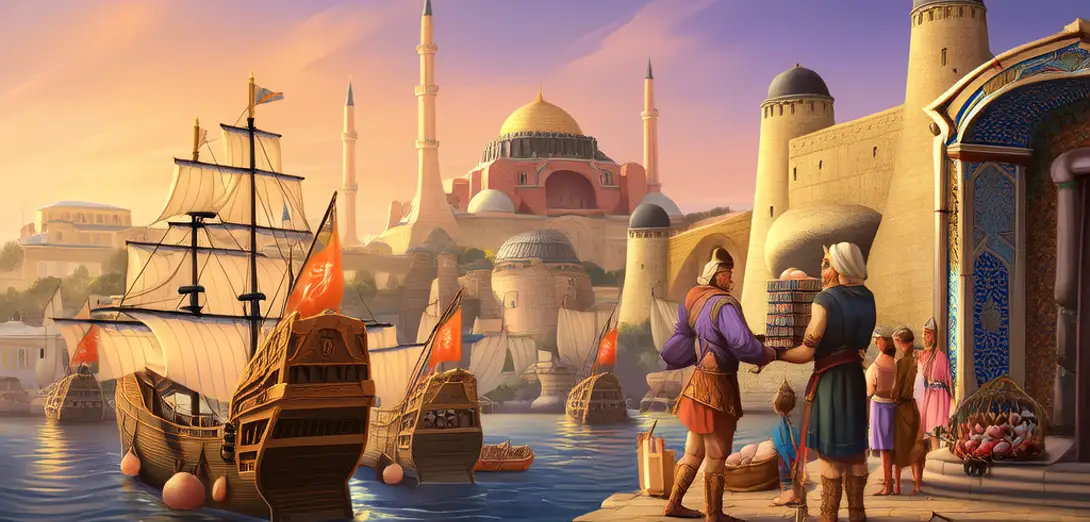
Byzantium: Where East Met West
拜占庭帝国:东西方交汇之地
-
The Byzantine Empire lasted over a thousand years, surviving long after Rome fell in the West.拜占庭帝国延续一千多年,西罗马帝国灭亡后仍长期存续。
-
Its capital, Constantinople, stood on the Bosporus Strait — a natural bridge between Europe and Asia.其首都君士坦丁堡坐落于博斯普鲁斯海峡——欧亚大陆间的天然桥梁。
-
Byzantine scholars preserved ancient Greek texts while translating Arabic scientific works into Greek.拜占庭学者保存了古希腊文献,并将阿拉伯科学著作译为希腊文。
-
Eastern Orthodox Christianity developed distinct rituals and art styles, differing from Roman Catholic traditions.东正教发展出独特的礼仪与艺术风格,有别于罗马天主教传统。
-
Silk, spices, and ideas flowed through its markets, linking merchants from Venice to Baghdad.丝绸、香料与思想经由其市场流通,连接威尼斯与巴格达的商人。
-
Emperor Justinian’s legal code became a foundation for many European legal systems later.查士丁尼皇帝编纂的法典,成为后世诸多欧洲法律体系的基础。
-
Though often seen as ‘Greek Rome’, Byzantium actively shaped both Islamic and Western medieval worlds.尽管常被视作‘希腊化的罗马’,拜占庭却深刻影响了伊斯兰与西欧中世纪世界。
-
Its fall in 1453 sent scholars fleeing westward, helping spark the Renaissance in Italy.1453年帝国覆灭,学者西逃,助推意大利文艺复兴兴起。
-
Icons, mosaics, and domed churches reflected theological ideas that still influence Eastern Christianity today.圣像、马赛克与穹顶教堂体现了至今仍影响东正教的神学思想。
-
Byzantium did not just guard the past — it translated, adapted, and passed knowledge across continents.拜占庭不仅守护过去,更跨越大陆翻译、转化并传承知识。