正在确认阅读权限…
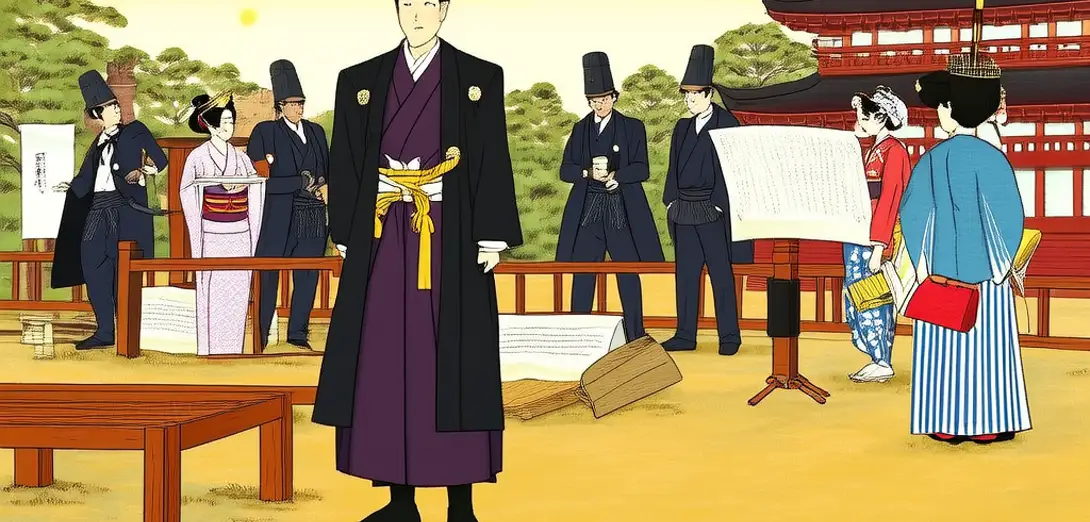
Meiji Japan: A Nation Remakes Itself
明治维新:一个国家的自我重塑
-
In 1868, young Emperor Meiji replaced feudal shoguns and began transforming Japan rapidly.1868年,年轻的明治天皇取代封建幕府,迅速推动日本变革。
-
Leaders sent missions abroad to study Western science, industry, and military organization firsthand.领导人派遣使团赴海外,实地学习西方的科学、工业与军事组织。
-
They built railroads, telegraph lines, and modern factories while keeping Japanese language and values central.他们修建铁路、电报线路和现代工厂,同时以日语和日本价值观为核心。
-
Students learned chemistry in Tokyo and engineering in Berlin, then returned home to teach others.学生在东京学化学,在柏林学工程,学成后回国任教。
-
The army adopted Prussian drills, but soldiers still swore loyalty to the emperor, not just the state.陆军采用普鲁士操练方式,但士兵仍向天皇而非仅向国家宣誓效忠。
-
Women’s education improved slowly, with new schools teaching both literacy and domestic skills.女子教育缓慢改善,新学校既教授读写,也传授家政技能。
-
Japan defeated China in 1895 and Russia in 1905 — proving non-Western nations could master modern power.日本于1895年击败中国,1905年击败俄国——证明非西方国家也能掌握现代实力。
-
Still, industrial growth widened gaps between rich cities and struggling rural villages.然而,工业增长加剧了富裕城市与困顿乡村之间的差距。
-
The Meiji era showed that modernization need not mean full Westernization — adaptation was possible.明治时代表明,现代化未必等于全盘西化,本土化适应完全可行。
-
By 1912, Japan had become Asia’s first industrial power and a global diplomatic player.至1912年,日本已成为亚洲首个工业强国和全球外交重要参与者。