正在确认阅读权限…
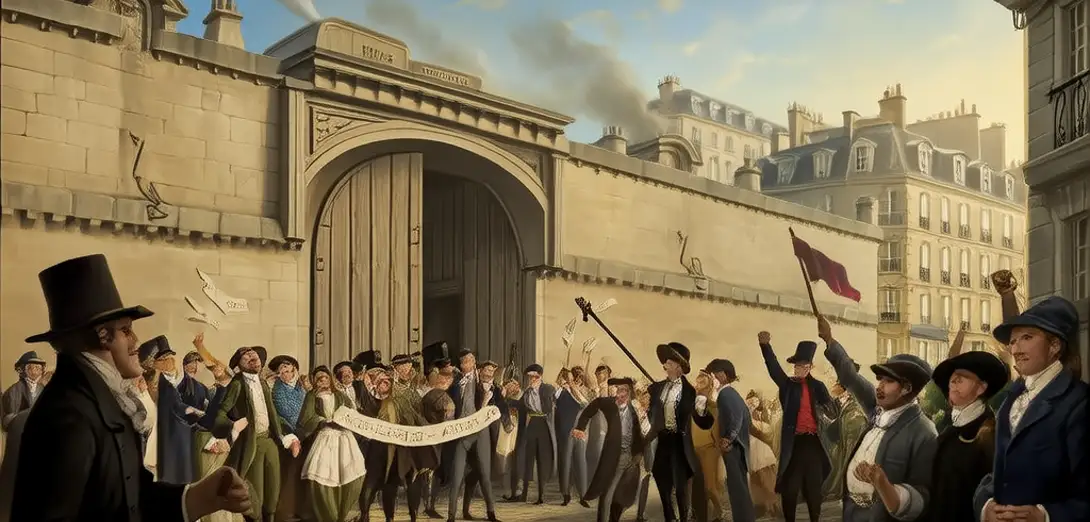
Liberty’s First Draft: Citizenship After the Bastille
自由的第一稿:攻占巴士底狱后的公民身份
-
On July 14, 1789, Parisians stormed the Bastille—not for guns, but for symbols of royal injustice.1789年7月14日,巴黎民众攻占巴士底狱——并非为夺取武器,而是为摧毁王权不公的象征。
-
The Declaration of the Rights of Man and Citizen, adopted in August, declared all men 'born free and equal in rights'.同年8月通过的《人权与公民权宣言》宣告:人人生而自由、权利平等。
-
Yet women, enslaved people in colonies, and poor laborers were excluded from full citizenship at first.然而,女性、殖民地的奴隶及贫苦劳工最初被排除在完全公民权之外。
-
Parisian neighborhoods formed assemblies where ordinary citizens debated laws, taxes, and local justice.巴黎各街区成立民众集会,普通市民在此讨论法律、税收与地方司法事务。
-
Revolutionary festivals replaced royal processions, turning streets into stages for new civic rituals.革命庆典取代王室巡游,街道成为新公民仪式的舞台。
-
Schools began teaching civic duty instead of loyalty to a monarch, using pamphlets and street theater.学校开始讲授公民责任而非效忠君主,教材采用小册子与街头戏剧。
-
In Saint-Domingue, formerly enslaved leaders read the Declaration aloud—and demanded it apply to them.圣多明各 formerly 被奴役的领袖们高声朗读《宣言》——并要求它同样适用于自己。
-
Officials wore tricolor cockades not as fashion, but as visible pledges to popular sovereignty.官员佩戴三色徽章,并非时尚之举,而是对人民主权的公开承诺。
-
Courts opened to public viewing, and judges explained rulings in plain French, not Latin.法庭向公众开放,法官用通俗法语而非拉丁语解释判决。
-
Citizenship became something you practiced daily—not something granted by birth or title.公民身份成为每日践行之事,而非凭出身或头衔所赐。