正在确认阅读权限…
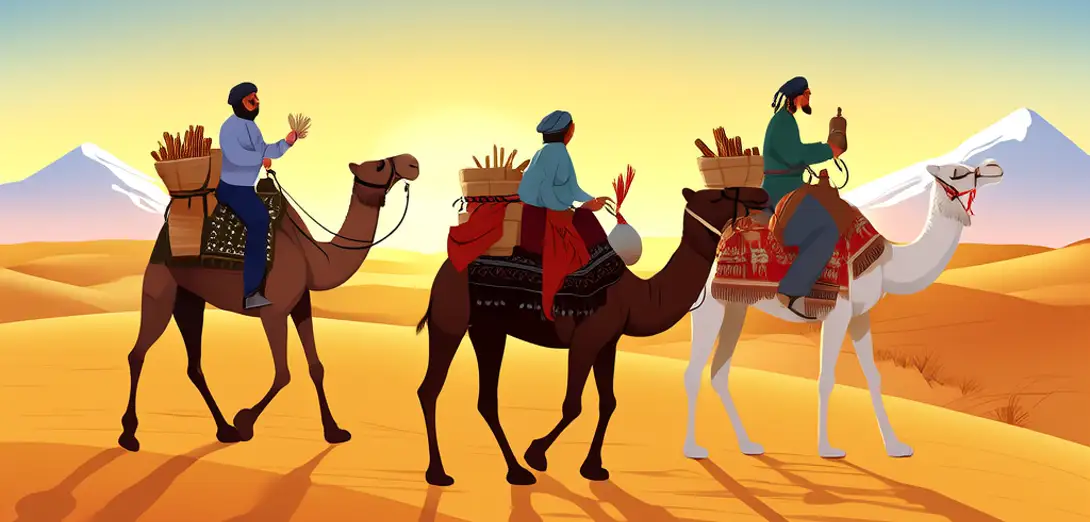
Cinnamon, Camels, and Crossings: Faith Along the Silk Roads
肉桂、骆驼与交汇:丝绸之路上的信仰
-
Merchants carried cinnamon from Sri Lanka and saffron from Kashmir along desert and mountain routes.商人经沙漠与山道,将斯里兰卡的肉桂和克什米尔的藏红花运往各地。
-
Caravans stopped at oasis towns like Dunhuang, where Buddhist monks copied sutras in caves.商队在敦煌等绿洲城镇歇脚,当地佛教僧侣在洞窟中抄写佛经。
-
Nestorian Christians built churches in Xi’an, leaving stone steles written in Syriac and Chinese.景教基督徒在长安建教堂,留下用叙利亚文和中文刻写的石碑。
-
Muslim traders introduced papermaking to Samarkand, which later spread westward through Baghdad.穆斯林商人将造纸术传入撒马尔罕,后经巴格达西传。
-
Jewish merchants kept ledgers in Judeo-Persian, recording spices, silks, and loans across Central Asia.犹太商人用犹太-波斯语记账,记录中亚各地的香料、丝绸与借贷。
-
Pilgrims traveled eastward too—Buddhist monks from Korea studied Sanskrit texts in Nalanda, India.朝圣者亦东行——朝鲜僧人赴印度那烂陀研习梵文佛典。
-
Temples, mosques, and fire temples stood side by side in Bukhara, reflecting layered spiritual geography.布哈拉城内寺庙、清真寺与火祠并立,映照出层叠交融的精神地理。
-
Local rulers often protected multiple faiths because religious tolerance encouraged commerce and stability.地方统治者常庇护多种信仰,因宗教宽容能促进商贸与稳定。
-
Festivals blended traditions: Nowruz celebrations included Zoroastrian fire rituals and Sogdian music.节庆融合诸俗:诺鲁孜节既有琐罗亚斯德教的火仪,亦有粟特音乐。
-
More than goods moved here—ideas about time, healing, and the soul traveled silently, deeply, and forever.流通的不仅是货物——关于时间、疗愈与灵魂的思想,悄然、深刻而永恒地传播。