正在确认阅读权限…
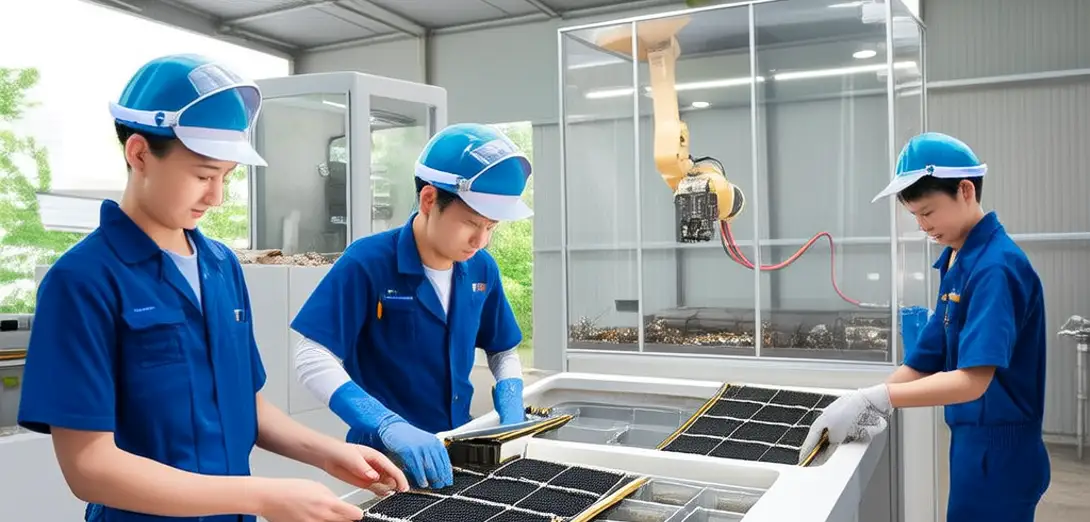
Recycling Electric Vehicle Batteries: Challenges and Progress
电动车电池回收:挑战与进展
-
Most electric vehicle batteries last 8–15 years, but recycling them remains technically complex and economically uneven.多数电动汽车电池寿命为8至15年,但回收技术复杂、经济性不均衡。
-
Lithium-ion batteries contain valuable metals like cobalt, nickel, and lithium, which are costly to mine anew.锂离子电池含有钴、镍、锂等高价值金属,重新开采成本高昂。
-
Current recycling methods include pyrometallurgy (high-heat smelting) and hydrometallurgy (chemical leaching), each with different recovery rates.当前主流回收工艺包括火法冶金(高温熔炼)和湿法冶金(化学浸出),回收率各不相同。
-
Only about 5% of EV batteries were recycled globally in 2022, though new laws now mandate higher collection targets.2022年全球仅约5%的电动汽车电池被回收,但新法规已强制提高回收目标。
-
Battery design varies widely between manufacturers, making standardized disassembly and sorting difficult for recyclers.不同厂商电池设计差异大,给回收商的标准化拆解与分选带来困难。
-
Startups are developing robotic systems that safely dismantle packs and extract modules using AI-guided vision.初创企业正研发搭载AI视觉引导的机器人系统,安全拆解电池包并提取模组。
-
Some automakers now lease batteries instead of selling them, enabling direct return and refurbishment cycles.部分车企改售为租电池,便于直接回收及翻新再利用。
-
Second-life applications—like using retired EV batteries for home energy storage—extend usefulness before final recycling.退役电动车电池可用于家庭储能等梯次利用场景,延长服役周期后再行回收。
-
Regulations in the EU and California now require producers to fund and manage end-of-life battery collection networks.欧盟和加州新规要求电池生产商出资并运营报废电池回收网络。
-
Scaling up efficient, low-emission recycling is vital to avoid future mining pressure and support sustainable EV growth.扩大高效、低碳回收规模,对缓解未来采矿压力、支撑电动车可持续发展至关重要。