正在确认阅读权限…
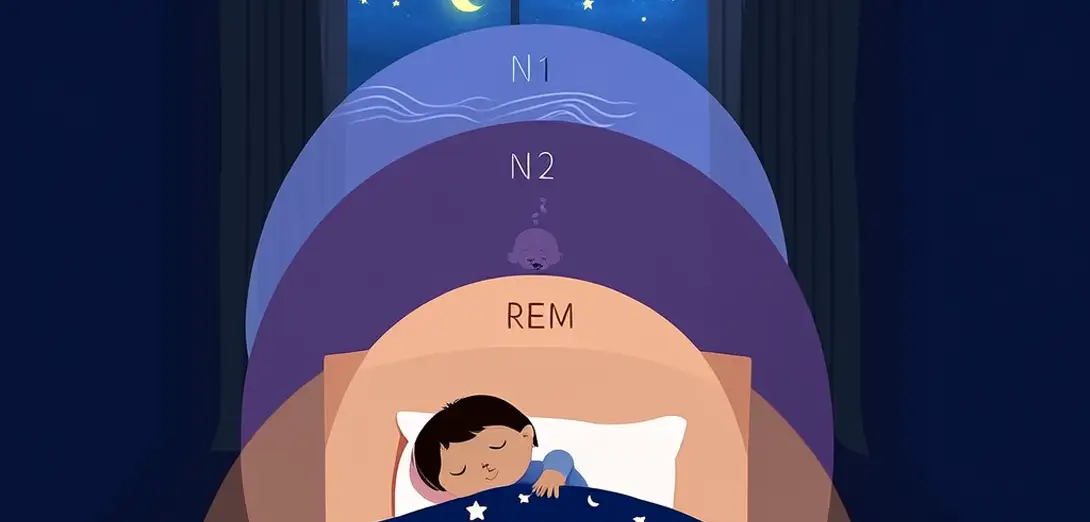
Sleep Stages and How Smart Bands Estimate Them
睡眠分期与智能手环如何估算
-
Human sleep consists of four distinct stages: N1, N2, N3 (deep sleep), and REM, each with unique brainwave and body patterns.人类睡眠分为四个不同阶段:N1、N2、N3(深睡)和REM,各阶段具有独特的脑电波和身体特征。
-
Smart bands estimate these stages using movement sensors, heart rate variability, and skin temperature changes—not direct brain scans.智能手环通过运动传感器、心率变异性及皮肤温度变化来估算这些阶段,而非直接进行脑电扫描。
-
During deep sleep, the body moves very little, heart rate slows, and breathing becomes steady—signals bands detect reliably.深睡期间,身体几乎不动,心率下降,呼吸变得平稳——这些信号手环可稳定识别。
-
REM sleep shows more micro-movements and faster heart rate fluctuations, which algorithms interpret as dreaming activity.REM睡眠期出现更多微动和更快的心率波动,算法据此判断为做梦活动。
-
Because bands lack EEG electrodes, their accuracy is lower than clinical polysomnography but improves with long-term user calibration.由于手环缺少脑电图电极,其准确率低于临床多导睡眠监测,但长期个性化校准可提升精度。
-
Wearing the band consistently helps it learn individual patterns, like how quickly you fall asleep or how long you stay in light sleep.持续佩戴有助于手环学习个人规律,例如入睡速度或浅睡时长。
-
Some models now add blood oxygen monitoring to flag potential disruptions like sleep apnea events during the night.部分新款增加了血氧监测功能,以识别夜间可能出现的睡眠呼吸暂停等干扰事件。
-
Researchers validate band data against lab studies, finding best agreement for total sleep time and wake-after-sleep onset metrics.研究人员将手环数据与实验室研究对照验证,发现总睡眠时间和入睡后清醒时长两项指标吻合度最高。
-
Despite limitations, these devices raise awareness about sleep hygiene and encourage healthier bedtime routines.尽管存在局限,这类设备提升了人们对睡眠卫生的认知,并促进更健康的睡前习惯。
-
Future versions may integrate ambient sound or breathing rhythm analysis to refine stage detection without added hardware.未来版本或整合环境声音与呼吸节律分析,在不增加硬件的前提下进一步优化睡眠阶段识别。