正在确认阅读权限…
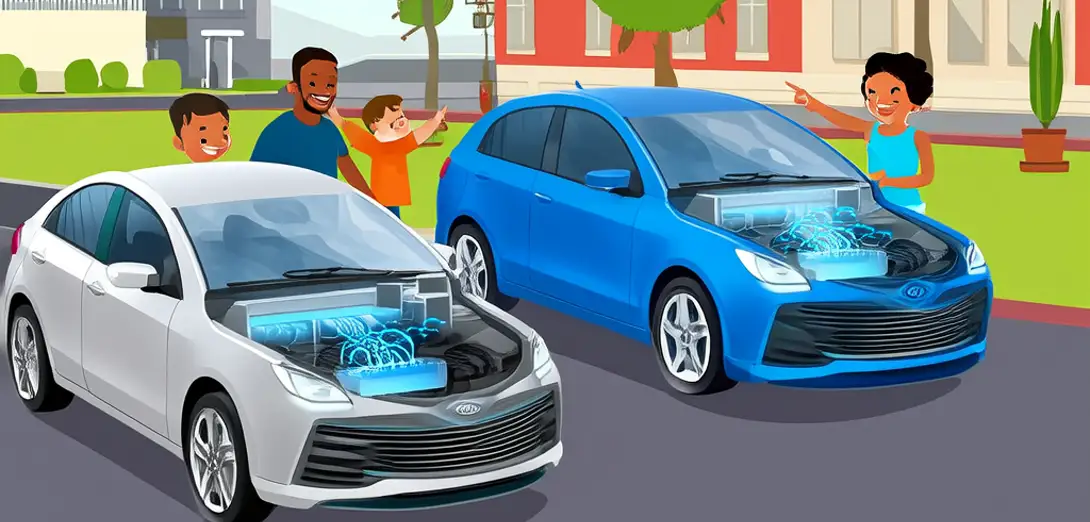
Hydrogen Fuel Cell Vehicles and the Infrastructure Bottleneck
氢燃料电池汽车与加氢基础设施瓶颈
-
Hydrogen fuel cell cars convert hydrogen gas into electricity, emitting only water vapor.氢燃料电池汽车将氢气转化为电能,仅排放水蒸气。
-
Each refueling takes about three to five minutes—similar to gasoline vehicles—but requires high-pressure stations.每次加氢耗时约3至5分钟,与燃油车相当,但需依赖高压加氢站。
-
Fewer than 1,000 public hydrogen stations exist worldwide, mostly clustered in California, Japan, and Germany.全球公共氢燃料站不足1000座,主要集中在加州、日本和德国。
-
Building one costs roughly $2 million, far more than installing a fast EV charger.建设一座加氢站成本约200万美元,远高于安装一台快充充电桩。
-
Hydrogen production itself is often fossil-fueled, undermining its 'green' promise unless made via electrolysis using renewable power.氢气生产本身常依赖化石燃料,除非采用可再生能源电解制氢,否则难以兑现其‘绿色’承诺。
-
Storage and transport are difficult because hydrogen molecules leak easily and need cryogenic or high-pressure tanks.氢气储存和运输困难,因其分子易泄漏,需低温或高压储罐。
-
Car makers continue developing fuel cell models, but adoption hinges on coordinated government and industry investment.车企持续研发燃料电池车型,但普及取决于政府与产业的协同投资。
-
Some cities pilot hydrogen buses and delivery trucks where centralized refueling simplifies logistics.一些城市试点氢燃料公交车和配送卡车,集中加氢可简化物流。
-
Fuel cells excel in heavy-duty transport, offering longer range and faster refueling than current batteries.燃料电池在重载运输领域优势明显,续航更长、加氢更快,优于当前电池技术。
-
Until infrastructure scales, hydrogen remains a niche alternative to battery-electric mobility.在基础设施规模化之前,氢能源仍是电动出行的小众替代方案。