正在确认阅读权限…
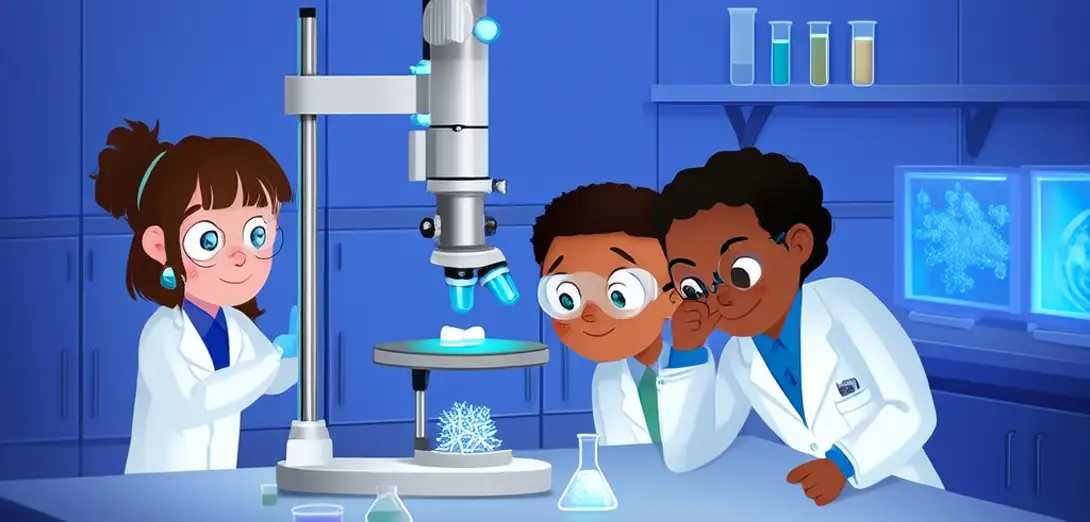
How Cryo-EM Reveals Protein Structures in Atomic Detail
冷冻电镜如何看清蛋白质
-
Cryo-electron microscopy, or cryo-EM, freezes protein samples extremely fast to preserve their natural shape.冷冻电镜(cryo-EM)通过极速冷冻蛋白质样品,保持其天然构象。
-
When flash-frozen in liquid ethane, proteins form a thin layer of vitreous ice instead of damaging crystals.在液态乙烷中速冻时,蛋白质形成一层薄薄的玻璃态冰,而非破坏性的晶体。
-
Electron beams pass through this ice layer and scatter off atoms inside the protein molecules.电子束穿透这层冰,与蛋白质分子内部的原子发生散射。
-
Computers then collect thousands of 2D projection images from different angles of the same protein.计算机随后从同一蛋白质的不同角度采集数千张二维投影图像。
-
Using advanced algorithms, these images are aligned and reconstructed into a high-resolution 3D model.借助先进算法,这些图像被对齐并重构为高分辨率三维结构模型。
-
Unlike X-ray crystallography, cryo-EM works even for large, flexible, or membrane-bound proteins.与X射线晶体学不同,冷冻电镜适用于大型、柔性或膜结合蛋白。
-
This technique helped scientists visualize the spike protein of SARS-CoV-2 within months of the pandemic’s start.该技术助力科学家在新冠疫情暴发数月内解析出SARS-CoV-2刺突蛋白结构。
-
Researchers now use cryo-EM to design better drugs by seeing exactly where molecules bind to targets.研究人员如今利用冷冻电镜观察分子与靶点的精确结合位点,从而设计更优药物。
-
The method earned its developers the 2017 Nobel Prize in Chemistry for revolutionizing structural biology.该方法因其彻底革新结构生物学,为其开发者赢得2017年诺贝尔化学奖。
-
Because it avoids harsh chemical treatments, cryo-EM gives us truer pictures of how proteins function in real cells.由于无需苛刻化学处理,冷冻电镜能更真实地呈现蛋白质在活细胞中的功能状态。