正在确认阅读权限…
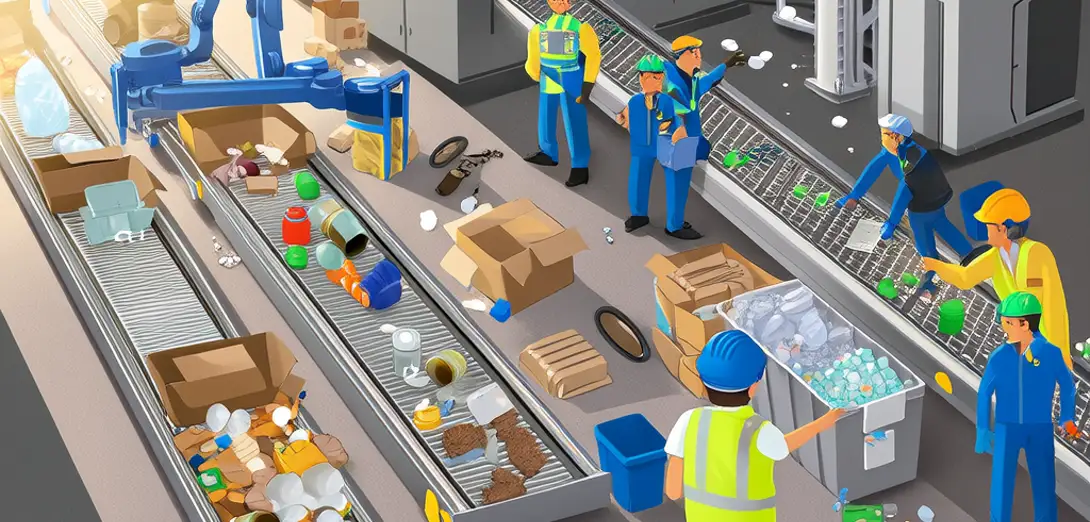
How Waste Sorting Powers Cities Through Incineration
垃圾分类与焚烧发电
-
Modern waste-to-energy plants first sort trash to remove metals, glass, and hazardous materials that could damage equipment.现代垃圾发电厂首先对垃圾进行分拣,去除可能损坏设备的金属、玻璃和有害物质。
-
The remaining combustible waste — mostly paper, plastics, and food scraps — is dried and fed into high-temperature furnaces.剩余可燃垃圾(主要是纸张、塑料和厨余)经干燥后送入高温炉焚烧。
-
Heat from burning waste boils water, producing steam that spins turbines connected to electricity generators.垃圾燃烧产生的热量将水加热成蒸汽,驱动涡轮机带动发电机发电。
-
One ton of properly sorted municipal waste can generate about 500–700 kilowatt-hours of clean electricity.一吨经过妥善分拣的城市垃圾可产生约500–700千瓦时的清洁电能。
-
Advanced filters capture over 99% of acid gases, dioxins, and fine particles before exhaust enters the atmosphere.先进过滤系统在废气排入大气前,可捕获99%以上的酸性气体、二噁英和细微颗粒。
-
Ash left behind is tested for heavy metals; safe fractions are used in road construction, while toxic residues are safely landfilled.焚烧后的灰渣需检测重金属;达标的部分用于道路建设,有毒残渣则安全填埋。
-
Sorting at home reduces contamination, making combustion more efficient and lowering emissions per kilowatt generated.家庭源头分类可降低杂质含量,提升燃烧效率,减少每千瓦发电量对应的排放。
-
In countries like Sweden and Japan, over 90% of non-recyclable waste is incinerated, supplying district heating and power.在瑞典、日本等国,超90%不可回收垃圾被焚烧,为区域供热和供电提供能源。
-
Unlike landfills, these plants avoid methane release — a greenhouse gas 25 times stronger than CO₂ over 100 years.与填埋不同,这类电厂避免了甲烷释放——甲烷在百年尺度上的温室效应是二氧化碳的25倍。
-
Still, experts stress that reducing and reusing waste always comes before burning it — energy recovery is the last step.但专家强调,减量与重复利用始终优先于焚烧,能源回收只是最后一步。