正在确认阅读权限…
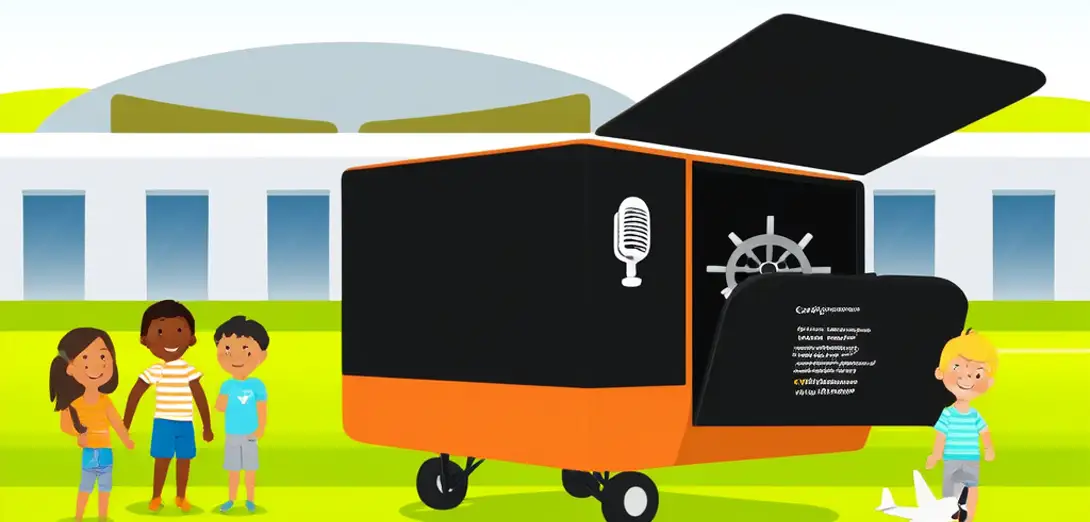
Why Airplane Black Boxes Survive Crashes
飞机黑匣子为什么耐摔
-
Black boxes — actually bright orange for visibility — contain two separate recorders: one for cockpit voice and another for flight data.黑匣子实际为亮橙色,便于搜寻,内含两个独立记录器:一个记录驾驶舱语音,另一个记录飞行数据。
-
Each unit is wrapped in a 1-inch-thick aluminum shell, then layered with heat-resistant insulation and a stainless-steel outer casing.每个记录器都包裹着1英寸厚的铝制外壳,再加装耐热隔热层和不锈钢外罩。
-
They must survive impacts up to 3,400 times Earth’s gravity, equivalent to hitting concrete at over 300 mph.它们必须承受高达3400倍重力的冲击,相当于以超过300英里/小时的速度撞上混凝土。
-
Temperatures inside the recorder must stay below 270°C during a fire lasting one hour at 1,100°C.在1100°C高温火焰中持续燃烧一小时的情况下,记录器内部温度不得超过270°C。
-
Underwater locator beacons automatically activate upon contact with water, pinging at 37.5 kHz for up to 30 days.水下定位信标遇水自动启动,以37.5 kHz频率发出脉冲信号,最长可持续30天。
-
Crash tests include dropping units onto steel plates, crushing them with hydraulic presses, and submerging them in saltwater tanks.撞击测试包括将记录器投掷到钢板上、用液压机压碎,以及浸入盐水箱中。
-
Manufacturers embed memory chips in shock-absorbing gel to prevent vibration damage during turbulence or hard landings.制造商将存储芯片嵌入减震凝胶中,以防湍流或重着陆时振动损坏。
-
Despite their name, black boxes are never black — their color and reflective tape help search teams find them in wreckage or ocean mud.尽管名为‘黑匣子’,它们从不为黑色——其亮橙色外壳与反光条有助于搜救人员在残骸或海底淤泥中快速定位。
-
Newer models record more parameters — up to 2,000 — including pilot inputs, engine vibrations, and cabin pressure changes.新型号可记录多达2000项参数,包括飞行员操作、发动机振动及客舱压力变化。
-
Even after decades underwater, engineers have recovered readable data from recorders using specialized cleaning and signal-recovery tools.即使在水下存放数十年,工程师仍能借助专用清洗与信号恢复工具提取出可读数据。