正在确认阅读权限…
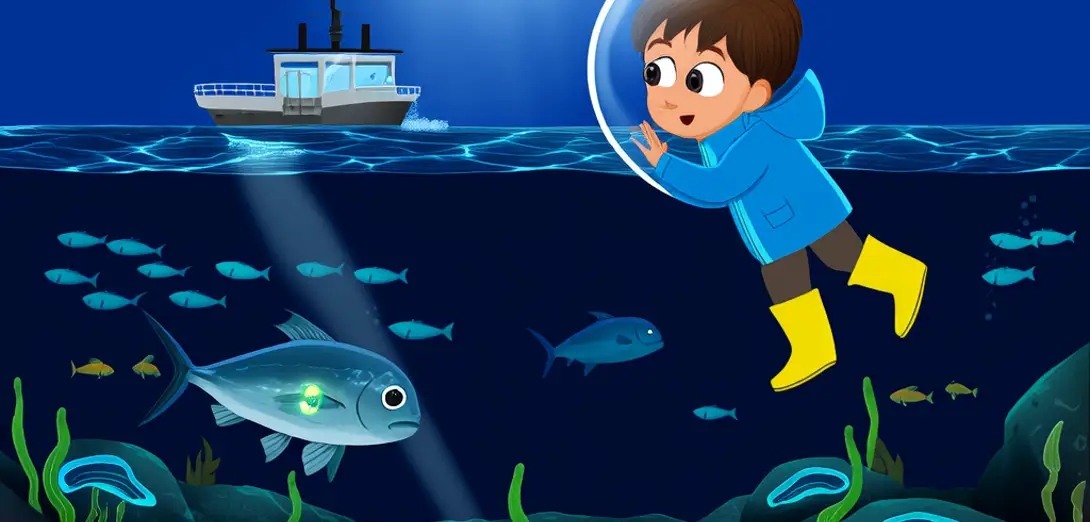
Why Deep-Sea Fish Collapse When Brought to the Surface
为什么深海鱼捞上岸会变形
-
Deep-sea fish live under crushing pressures hundreds of times greater than surface air pressure.深海鱼类生活在远超海面气压数百倍的高压环境中。
-
Their bodies contain soft tissues, gelatinous fluids, and reduced skeletons adapted to that high-pressure world.它们的身体含有柔软组织、胶状体液和退化的骨骼,以适应这种高压环境。
-
When pulled up quickly, external pressure drops while internal gas-filled spaces expand rapidly.被快速拖至水面时,外部压力骤降,而体内含气体的空腔则迅速膨胀。
-
Swim bladders burst, eyes bulge, and organs may rupture due to unbalanced forces inside the body.鱼鳔破裂、眼球凸出,器官可能因体内受力失衡而受损。
-
Many deep-sea species lack swim bladders entirely but still suffer tissue damage from decompression.许多深海物种甚至没有鱼鳔,但仍会因减压而出现组织损伤。
-
Scientists use pressurized chambers to bring specimens up slowly and study them alive.科学家利用加压舱缓慢提升样本,以便活体研究。
-
The protein structures in their muscles and membranes function only within narrow pressure ranges.其肌肉与细胞膜中的蛋白质结构仅在狭窄的压力范围内起作用。
-
Even preserved specimens often look distorted if not handled in controlled-pressure environments.即使经过保存处理,若未在可控压力环境下操作,标本也常出现形变。
-
This phenomenon helps explain why some deep-ocean creatures remain poorly understood by science.这一现象有助于解释为何部分深海生物至今仍不为科学界充分了解。
-
New submersibles now collect samples with real-time pressure maintenance for accurate biological analysis.新型潜水器现已能在采样过程中实时维持压力,以确保生物学分析的准确性。