正在确认阅读权限…
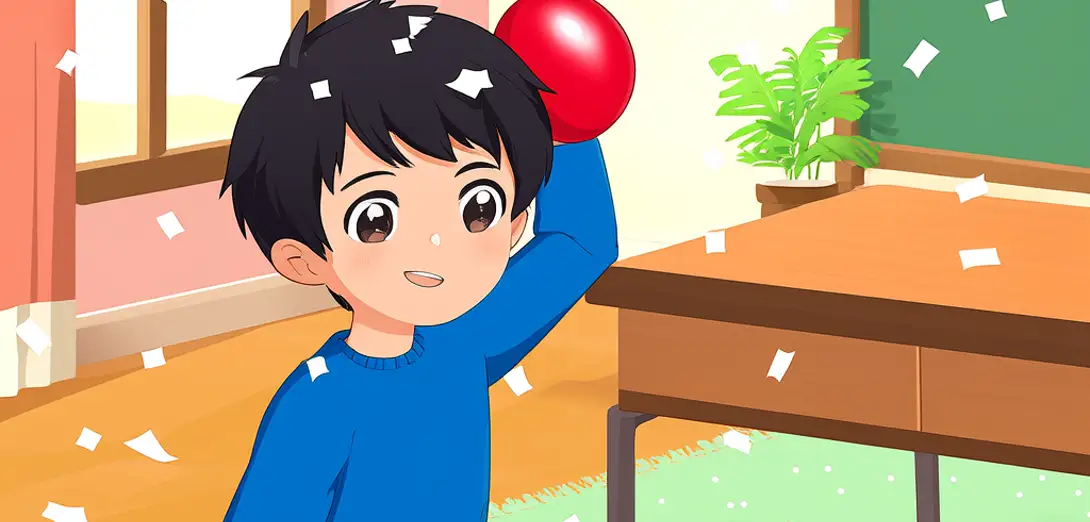
Why Rubbed Balloons Attract Paper Bits
为什么气球摩擦后能吸小纸片
-
Rubbing a balloon on hair transfers electrons from hair to rubber, giving the balloon a negative static charge.用气球摩擦头发,会使电子从头发转移到橡胶,使气球带上负静电。
-
Neutral paper bits have positive and negative charges evenly spread—but they become polarized near the charged balloon.中性纸屑内部正负电荷均匀分布,但靠近带电气球时会发生极化。
-
The balloon’s negative charge repels electrons in the paper, leaving the near side slightly positive and attractive.气球的负电荷排斥纸屑中的电子,使其靠近气球的一侧略带正电,从而产生吸引力。
-
This electrostatic force is strong enough to lift lightweight objects against gravity for a few seconds.这种静电力足够强,可短暂克服重力,吸起轻小物体几秒钟。
-
Dry air helps because moisture would let charges leak away quickly through thin water films.干燥空气有助于维持静电,因为湿气会通过薄水膜使电荷快速泄漏。
-
The effect fades as charges slowly equalize or leak into the air, especially in humid conditions.随着电荷缓慢中和或向空气中泄漏(尤其在潮湿环境下),效果逐渐减弱。
-
Unlike magnets, static attraction works on insulators like paper, plastic, or hair—not just metals.与磁铁不同,静电吸引可作用于纸、塑料、头发等绝缘体,而不仅限于金属。
-
You can test polarity by seeing whether two charged balloons push apart—confirming like charges repel.可通过观察两个带电气球是否相互排斥来验证电性——同种电荷相斥。