正在确认阅读权限…
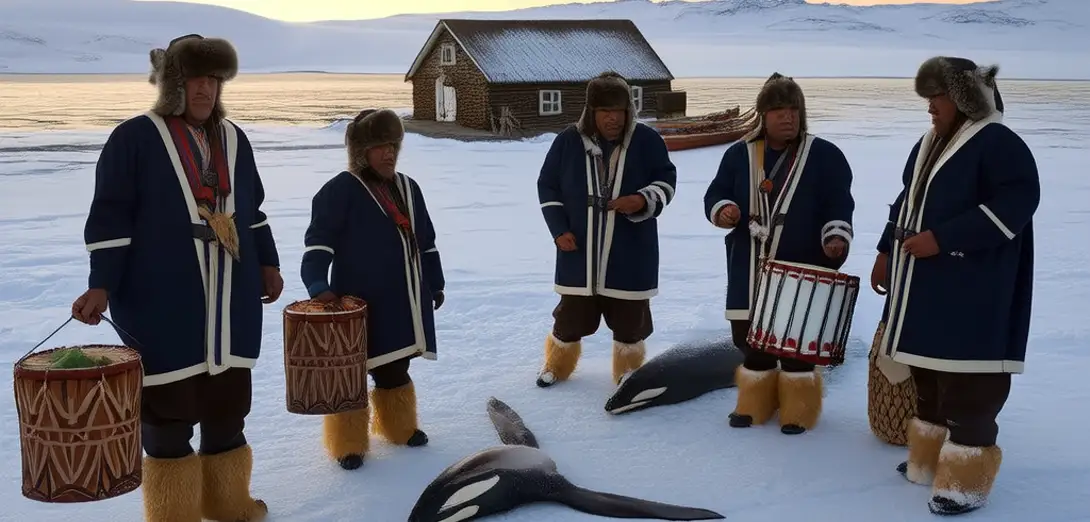
Whale Hunting and Moral Balance in Alaska Native Communities
阿拉斯加原住民捕鲸与道德平衡
-
In northwest Alaska, Iñupiaq whalers follow ancient rules that honor the whale’s spirit before, during, and after the hunt.在阿拉斯加西北部,因纽皮亚特捕鲸者遵循古老规矩,在捕鲸前后及过程中敬重鲸的灵魂。
-
Each successful catch requires communal sharing, with strict portions distributed to elders, children, and families without hunters.每次成功捕获后,猎物须由社区共享,严格按份分给老人、儿童及无猎人的家庭。
-
The whale’s bones are returned to the sea as a sign of respect and reciprocity between humans and ocean life.鲸骨归还大海,以示对人类与海洋生灵间尊重与互惠的承诺。
-
Young men learn patience, humility, and weather reading—not just harpooning—through years of quiet apprenticeship on ice floes.年轻人需在浮冰上静默学徒多年,习得的不仅是标枪技艺,更是耐心、谦逊与观天识象的能力。
-
Modern regulations limit catches, but elders insist that ethics, not quotas, define true sustainability for their people.现代法规限制捕鲸数量,但长老坚持:真正可持续性取决于伦理,而非配额。
-
Songs sung before departure ask permission from the sea; silence follows the first strike as a sacred pause.出海前吟唱的歌谣向大海祈求许可;首击之后的寂静,是神圣的停顿。
-
No part of the whale goes to waste: meat feeds villages, baleen weaves baskets, and oil lights winter homes.鲸身无一物浪费:肉供全村食用,鲸须编织篮筐,鲸油点亮寒冬屋舍。
-
When a whale surfaces near the ice edge, hunters wait—never chase—believing the animal chooses its time and place.当鲸在冰缘浮现,猎人静候而不追逐,相信动物自择时机与地点。
-
This practice is not about survival alone, but about maintaining identity through disciplined relationship with nature.这一实践不仅关乎生存,更在于通过自律与自然的联结维系族群身份。
-
To outsiders, it looks like hunting; to Iñupiat, it is prayer in motion across frozen water.外人眼中是狩猎;因纽皮亚特人眼中,是在冰封水域上流动的祈祷。