正在确认阅读权限…
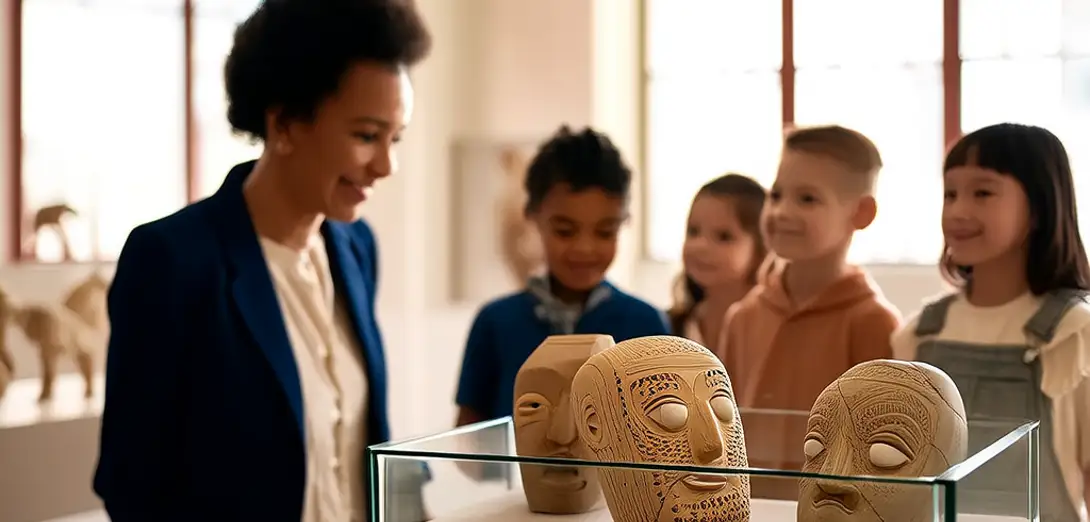
Nok Terracotta Figures and the Ethics of Museum Display
诺克陶俑与博物馆陈列的伦理
-
Discovered in central Nigeria in the 1920s, Nok sculptures date back over two thousand years and depict human faces with striking realism.诺克雕塑于20世纪20年代在尼日利亚中部被发现,距今已有两千多年历史,以惊人的写实手法刻画人面。
-
These hollow-fired clay figures once stood in open-air shrines, linking ancestors to living communities through ritual presence.这些中空烧制的陶俑曾立于露天神龛中,通过仪式性的在场,将祖先与生者社群联结起来。
-
Many now reside in European museums, removed without consent during colonial excavations conducted by foreign archaeologists.如今许多藏于欧洲博物馆,系殖民时期外国考古学家未经许可发掘后带走。
-
Nigerian scholars argue that displaying them as 'art' erases their original role in healing, justice, and seasonal renewal ceremonies.尼日利亚学者指出,将其作为‘艺术品’展出,抹去了它们在疗愈、司法及季节更替仪式中的原始功能。
-
Local elders describe how each figure’s hairstyle, scarification, and posture once signaled lineage, status, or spiritual calling.当地长老称,每尊雕像的发式、疤痕纹样与姿态,曾昭示其所属世系、社会地位或精神召唤。
-
Repatriation talks continue slowly, yet some museums now co-curate exhibits with Nigerian curators and oral historians.归还谈判进展缓慢,但部分博物馆已开始与尼日利亚策展人和口述史学者联合策展。
-
Digital scans now let villages view fragments online, though elders say clay must be touched, not just seen, to carry memory.数字扫描使村庄得以在线浏览残片,但长老强调:记忆需靠触摸陶土传递,而非仅凭观看。
-
A recent Lagos exhibition placed Nok heads beside contemporary Yoruba masks, inviting dialogue across millennia rather than display as relics.拉各斯近期一场展览将诺克人头像与当代约鲁巴面具并置,旨在促成跨越千年的对话,而非将其当作遗物陈列。
-
Ownership debates reveal deeper questions: who holds authority over meaning when objects travel far from their soil?归属权之争揭示更深层问题:当器物远离故土,谁有权定义其意义?
-
For the Nok descendants, these are not artifacts—they are ancestors who still watch, listen, and wait for return.对诺克后裔而言,这些并非文物——而是仍在守望、倾听,并静待归乡的祖先。