正在确认阅读权限…
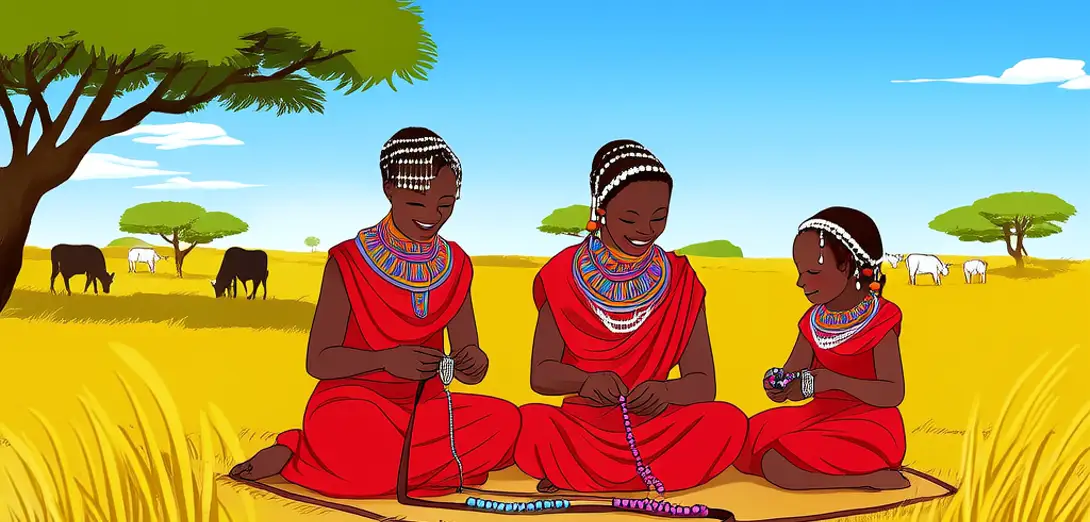
Maasai Beadwork: Color Codes and Life-Stage Identity
马赛珠饰:色彩密码与人生阶段身份
-
Across southern Kenya, Maasai women spend hours threading tiny glass beads into intricate patterns that map age, clan, and marital status.在肯尼亚南部,马赛妇女花数小时将细小的玻璃珠串成复杂图案,用以标识年龄、氏族和婚姻状况。
-
Red beads dominate warrior necklaces, symbolizing bravery, unity, and the blood that binds generations together.勇士佩戴的项链以红色珠子为主,象征勇气、团结以及维系世代的血脉。
-
Unmarried girls wear wide, flat collars called ‘nkilakila’, bright with white and blue beads representing purity and sky protection.未婚少女佩戴名为‘恩基拉基拉’的宽大扁平项圈,缀以象征纯洁与天空庇佑的白色和蓝色珠子。
-
After marriage, women shift to layered, cascading necklaces called ‘olopurkel’, heavy with black and purple beads for responsibility and wisdom.婚后女性改戴层层垂坠的‘奥洛普尔克尔’项链,以黑色和紫色珠子为主,寓意责任与智慧。
-
Each color carries layered meaning: white for health and peace, yellow for fertility, and green for land and grazing rights.每种颜色都有多重含义:白色代表健康与和平,黄色象征丰产,绿色代表土地与放牧权。
-
Patterns also tell stories—zigzags may recall cattle paths, while triangles echo mountain peaks near Amboseli.图案亦讲述故事——锯齿纹可能再现牛群行径,三角纹则呼应安博塞利附近的山峰。
-
Beadwork is never sold casually; gifting a necklace marks initiation, apology, or alliance between families.珠饰从不随意出售;赠送项链标志着成年礼、道歉或家族结盟。
-
Tourists often admire the beauty, yet rarely understand that wearing wrong colors or patterns can offend deeply rooted social codes.游客常赞叹其美感,却鲜少知晓佩戴错误的颜色或图案会严重冒犯根深蒂固的社会规范。
-
Girls begin learning at age six, first stringing simple rows, then mastering symbols only elders fully interpret.女孩六岁起便开始学习,先串简单排珠,再逐步掌握唯有长者才能完全解读的符号。
-
In Nairobi markets, young Maasai designers now blend traditional motifs with modern fabrics—keeping meaning alive, not frozen.在内罗毕市场,年轻马赛设计师正将传统纹样融入现代面料——让意义延续,而非凝固。