正在确认阅读权限…
Adriatic Coast Foodways: Salt, Sea, and Shared Tables in Croatia
亚得里亚海沿岸饮食:盐、海与共享餐桌
-
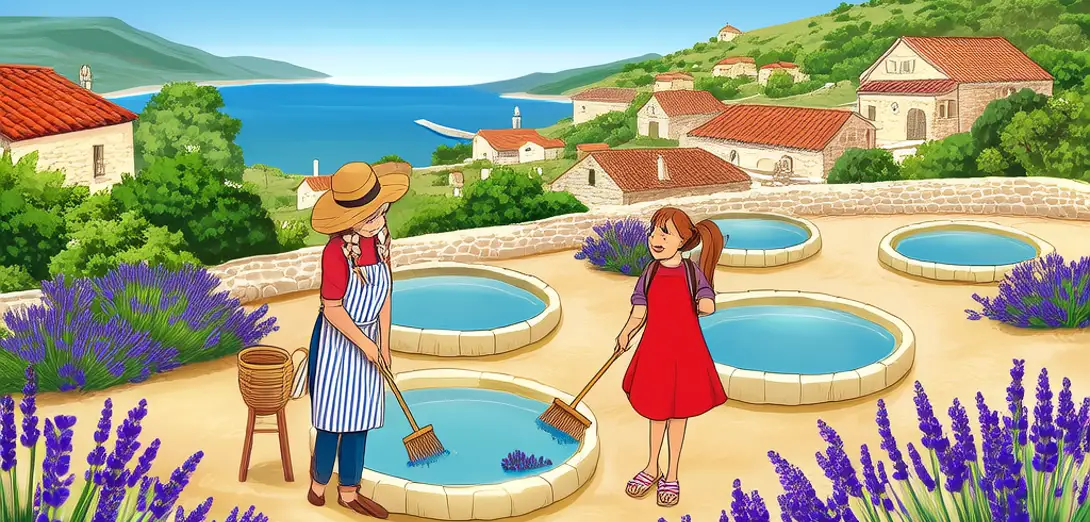
Along Croatia’s Dalmatian coast, families still harvest sea salt by hand from shallow pans near Ston, following methods unchanged since Roman times.在克罗地亚达尔马提亚海岸,斯通附近的家族仍沿用自罗马时代起便未变的古法,在浅盐池中手工采收海盐。
-
Fishermen return before dawn with sardines, mackerel, and octopus, then gather at stone docks to share tips and split the day’s catch equally.渔民黎明前归来,带回沙丁鱼、鲭鱼和章鱼,随后聚在石码头分享捕鱼经验,并平分当日渔获。
-
Lunch tables hold no single main dish—instead, small plates rotate: grilled fish, olives cured in rosemary, and bread dipped in local olive oil.午餐桌上没有主菜——取而代之的是轮换上桌的小份菜肴:烤鱼、迷迭香腌橄榄,以及蘸本地橄榄油的面包。
-
Wine isn’t poured from bottles but drawn from wooden barrels in konobas, family-run taverns where strangers become tablemates within minutes.葡萄酒不从瓶中倒出,而是直接从木桶中舀出;这些木桶置于家族经营的小酒馆(konoba)里,陌生人几分钟内便成了同桌食客。
-
Cheeses like paški sir come from sheep grazing on salty island grass, giving each wheel a taste of wind and rock.帕什基奶酪(paški sir)产自啃食咸涩海岛青草的绵羊,每一块都饱含海风与岩石的气息。
-
Even in cities like Split, grandmothers teach grandchildren how to fillet anchovies while telling stories of wartime shortages and postwar feasts.即便在斯普利特这样的城市,祖母们仍一边教孙辈剔凤尾鱼骨,一边讲述战时物资匮乏与战后盛宴的故事。
-
The concept of ‘čas’—not quite lunchtime, not quite dinner—means meals stretch slowly, with pauses for coffee, laughter, and passing of shared bread.‘Čas’这一概念既非午餐也非晚餐,意味着用餐节奏舒缓悠长,其间穿插咖啡、欢笑与共食的面包。
-
Dishes avoid heavy cream or butter; instead, lemon, garlic, wild fennel, and capers carry flavor like coastal breezes.菜肴不依赖浓奶油或黄油,而是以柠檬、大蒜、野茴香和刺山柑提味,如海风般清爽鲜明。
-
When guests arrive unannounced, hosts never say ‘we weren’t expecting you’—they simply add another spoon and plate to the table.客人不请自来时,主人从不说‘没想到你会来’,只默默多添一副刀叉和一个盘子。
-
Here, food doesn’t mark wealth—it measures generosity, memory, and the rhythm of tides shaping daily life.在这里,食物不彰显财富,而衡量着慷慨、记忆,以及潮汐塑造日常生活的节律。