正在确认阅读权限…
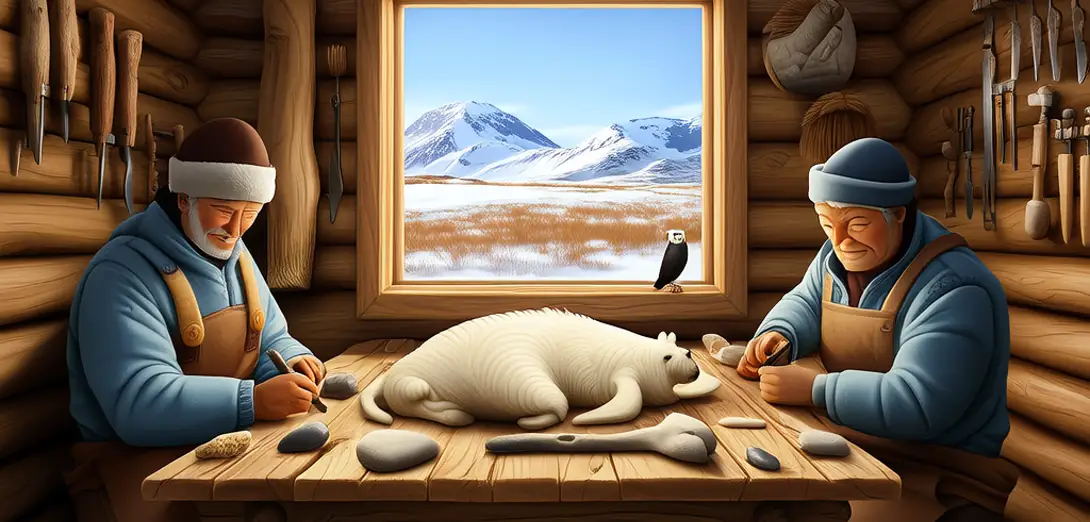
Inuit Carving and Arctic Resilience in Canada
因纽特雕刻与加拿大北极韧性
-
Inuit artists carve walrus ivory, bone, and soapstone to express deep connections with icy landscapes.因纽特艺术家用海象牙、骨头和皂石雕刻,表达与冰原的深厚联系。
-
Each sculpture captures movement—leaping seals, stoic polar bears, or hunters balancing on thin sea ice.每件雕塑都捕捉动态——跃起的海豹、肃立的北极熊,或在薄薄海冰上保持平衡的猎人。
-
Carvers learn techniques from elders during long winter months when outdoor travel is limited.雕刻师在冬季户外活动受限的漫长月份里向长辈学习技艺。
-
The smooth curves and minimal details reflect both aesthetic tradition and practical adaptation to harsh cold.流畅的曲线与简约的细节,既体现审美传统,也反映对严寒环境的实用适应。
-
These carvings are not souvenirs but cultural anchors that preserve stories of survival and observation.这些雕刻并非纪念品,而是承载生存与观察故事的文化锚点。
-
Modern Inuit studios now blend traditional motifs with contemporary themes like climate change awareness.当代因纽特工作室如今将传统纹样与气候变化意识等现代主题相融合。
-
Tourists who visit Nunavut often watch live carving demonstrations in community centers near the tundra.前往努纳武特旅游的游客常在苔原附近的社区中心观看现场雕刻演示。
-
Young apprentices study how temperature shifts affect stone texture before beginning a new piece.年轻学徒在开始新作品前,先学习温度变化如何影响石材质地。
-
Museums across Canada display these works alongside oral histories recorded in Inuktitut and English.加拿大各地博物馆展出这些作品,并配以因纽特语和英语录制的口述历史。
-
Through carving, Inuit communities assert identity while adapting tools, timing, and materials to warming Arctic conditions.通过雕刻,因纽特社群在工具、工期与材料随北极变暖而调整的同时,坚定宣示自身身份。