正在确认阅读权限…
Tapa Cloth and Ancestral Memory in Tonga
汤加塔帕布与祖先记忆
-
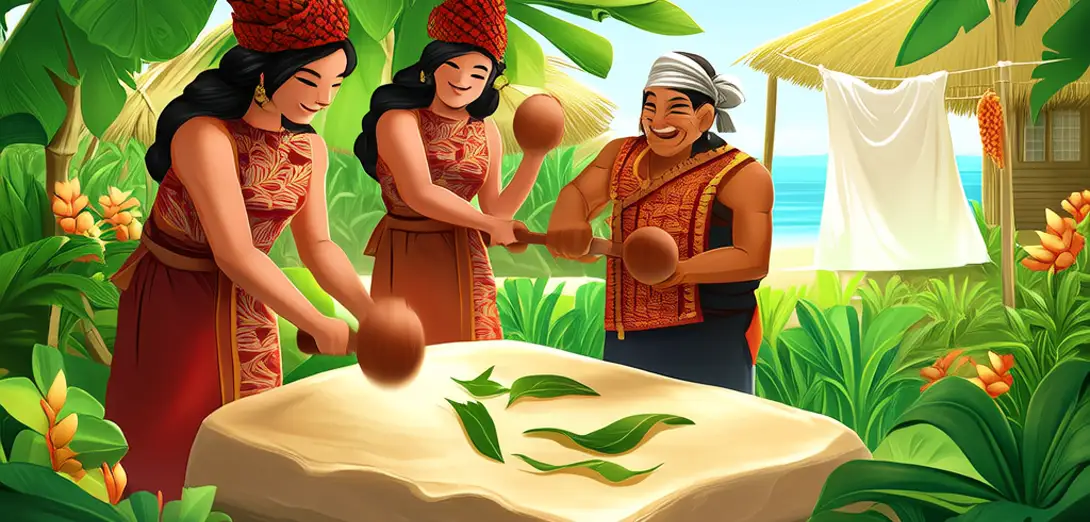
Tongan artisans beat the inner bark of the mulberry tree for hours until it becomes soft, flexible cloth.汤加工匠将桑树内皮捶打数小时,直至变成柔软而富有弹性的布料。
-
Each tapa sheet carries geometric patterns stamped with carved wooden blocks passed down through generations.每张塔帕布都印有几何图案,使用代代相传的雕花木模 stamp 印制。
-
Women gather at dawn in village fale to sing while pounding, turning labor into communal storytelling.清晨,妇女们聚集在村中法勒屋边捶打边歌唱,将劳作化为集体叙事。
-
The cloth wraps newborns, adorns royal ceremonies, and covers coffins as a symbol of dignity and continuity.这种布料包裹新生儿、装饰王室典礼,也覆盖棺木,象征尊严与传承。
-
Unlike woven textiles, tapa breathes well in tropical heat and resists mold in humid island air.与编织织物不同,塔帕布在热带高温下透气性好,且能抵御潮湿海岛空气中的霉变。
-
Designs often encode genealogies—zigzags for ocean currents, diamonds for ancestral islands, dots for family names.图案常暗含族谱信息:锯齿纹代表洋流,菱形代表祖先岛屿,圆点代表家族姓氏。
-
Foreign collectors once removed thousands of pieces, but today Tongans lead repatriation efforts with museum partners.过去外国收藏家曾带走数千件塔帕布,如今汤加人正携手博物馆推动文物回归。
-
Schools now teach tapa-making alongside history lessons about pre-colonial governance and navigation.学校如今将塔帕布制作教学与前殖民时期的治理和航海史课程相结合。
-
When worn as a kiekie sash, tapa signals respect without words during formal greetings.作为腰带(kiekie)佩戴时,塔帕布无需言语便能在正式问候中传递敬意。
-
Its rustling sound during dance performances reminds listeners that culture lives through touch, rhythm, and memory.舞蹈表演中塔帕布沙沙作响,提醒听众:文化存于触感、节奏与记忆之中。