正在确认阅读权限…
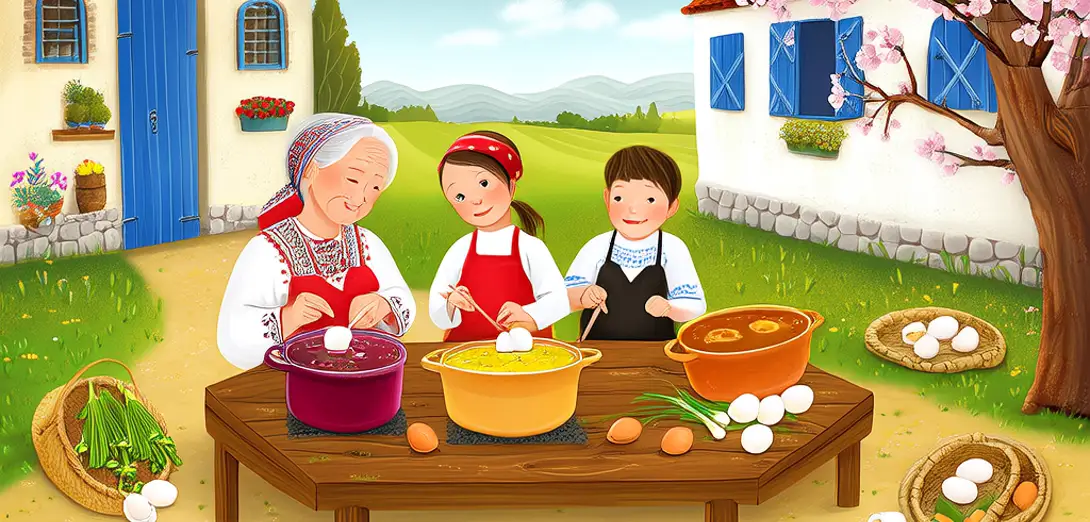
Romanian Easter Eggs and Folk Symbolism
罗马尼亚复活节彩蛋与民俗
-
In rural Romania, families gather before Easter Sunday to dye eggs using onion skins, beet juice, and walnut leaves.在罗马尼亚乡村,复活节前夜,家家户户用洋葱皮、甜菜汁和核桃叶给鸡蛋染色。
-
Each color and pattern tells a story: red stands for Christ’s blood, white for purity, and spirals for eternity.每种颜色与图案都承载着故事:红色象征基督之血,白色代表纯洁,螺旋纹寓意永恒。
-
Artisans carve delicate motifs—wheat for abundance, doves for peace—into wax before dipping eggs in dye.手艺人先在蛋壳上用蜡雕刻精细纹样——麦穗象征丰饶,鸽子象征和平,再浸入染料。
-
On Easter morning, people tap eggs together gently, saying ‘Christ is risen!’—the one whose egg stays uncracked brings good luck.复活节清晨,人们轻碰鸡蛋,齐声说‘基督复活了!’——蛋壳不裂者将带来好运。
-
Grandmothers teach girls the old symbols not just as craft, but as living memory passed through fingertips.祖母们教女孩们这些古老符号,不只是手工艺,更是通过指尖传递的鲜活记忆。
-
Church bells ring at midnight, and villagers walk barefoot on dewy grass, believing it heals tired feet and clears the mind.午夜钟声响起,村民赤脚踏过沾露的草地,相信此举可舒缓疲惫双脚、澄澈心神。
-
Even city-dwellers buy handmade eggs at weekly markets, keeping rural traditions alive in urban apartments.就连城市居民也每周去市集购买手工彩蛋,让乡村传统在都市公寓中生生不息。
-
These fragile, colorful objects hold centuries of hope—not just for resurrection, but for continuity across generations.这些脆弱而绚丽的彩蛋,承载着数百年来的希望——不仅关乎复活,更关乎代代相传的延续。