正在确认阅读权限…
Kimchi Culture and Fermentation Wisdom in Korea
韩国泡菜文化与发酵智慧
-
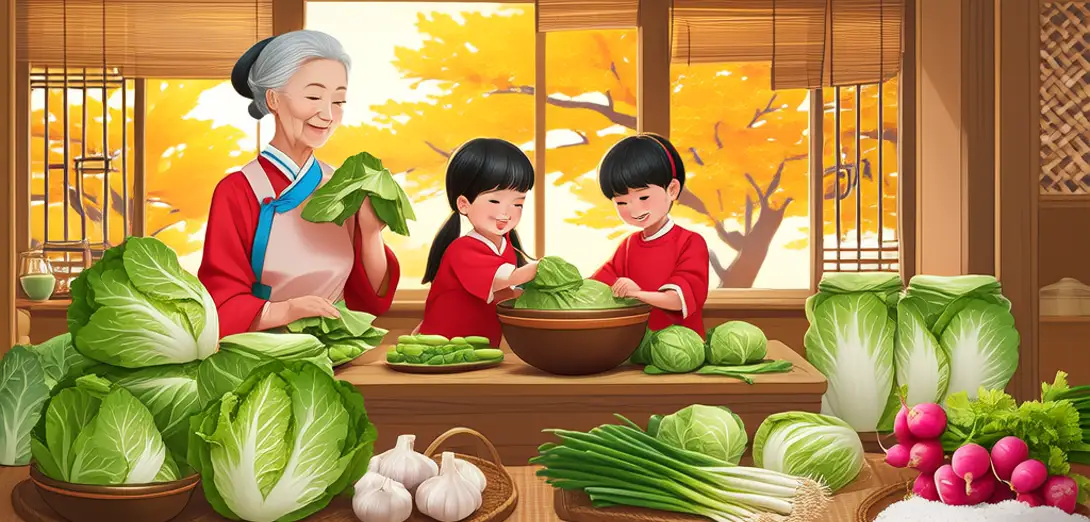
Every autumn, Korean families hold kimjang—a multi-day event where generations gather to make hundreds of cabbage heads into spicy, tangy kimchi.每年秋天,韩国家庭都会举行“腌泡菜节”(kimjang)——一场持续多日的活动,几代人齐聚一堂,将数百颗大白菜制成酸辣爽口的泡菜。
-
Grandmothers judge readiness by smell and texture, not timers, trusting microbes they’ve worked with for decades.祖母们凭气味和触感判断发酵是否到位,而非依赖计时器,她们几十年来与微生物默契合作,深信不疑。
-
Fermentation isn’t seen as decay, but as slow transformation—turning vegetables into living food full of probiotics and flavor.发酵不被视为腐败,而是一种缓慢转化——将蔬菜变为富含益生菌与风味的活性食品。
-
Each region adds its own twist: coastal areas use more seafood, mountain villages rely on wild herbs and less salt.各地做法各具特色:沿海地区多用海鲜,山区村落则依赖野草香料,用盐更少。
-
Scientists now study kimchi’s lactic acid bacteria to improve gut health, yet home cooks still stir pots by hand and taste daily.科学家如今正研究泡菜中的乳酸菌以改善肠道健康,但家庭主妇仍坚持手工搅拌、每日品尝。
-
Schools teach kimjang as part of UNESCO-recognized intangible heritage—not just cooking, but cooperation and seasonal awareness.学校将腌泡菜节纳入联合国教科文组织认定的非物质文化遗产课程——它不仅是烹饪,更是协作与季节意识的传承。
-
Even young Koreans living abroad ship fermented shrimp paste home, knowing store-bought versions lack their mother’s microbial fingerprint.即便旅居海外的年轻韩国人,也会寄回发酵虾酱,因为他们深知市售产品无法复制母亲手中独特的微生物印记。
-
This deep-rooted practice teaches patience, observation, and respect for invisible life that nourishes both body and community.这一根植深厚的传统,教会人们耐心、观察力,以及对滋养身心与社群的无形生命的尊重。