正在确认阅读权限…
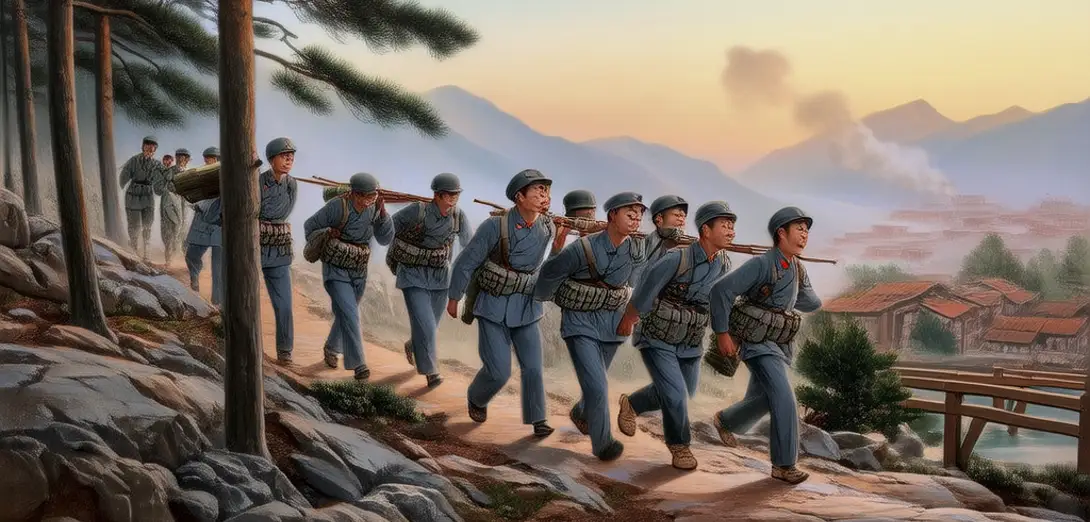
A Strategic Retreat Across Mountains: The Long March Narrative
翻越群山的战略撤退:长征叙事
-
In 1934, the Chinese Communist Party began the Long March after retreating from Jiangxi Soviet under Nationalist siege.1934年,中国共产党在国民党围剿下撤离江西苏区,开始长征。
-
Over 8,000 kilometers, Red Army units crossed snow-capped mountains, treacherous rivers, and barren grasslands.红军部队行程逾八千公里,翻越雪山、渡过险河、穿越荒原草地。
-
Only about 8,000 of the original 86,000 marchers reached Yan’an in 1935, yet their survival became a powerful symbol of endurance.1935年,约八千名幸存者抵达延安,占最初八万六千人的极小部分,但其生还本身已成为坚韧精神的有力象征。
-
Leaders like Mao Zedong used the journey to consolidate ideological authority and redefine revolutionary strategy.毛泽东等领导人借长征巩固思想权威,重塑革命战略。
-
Local ethnic groups sometimes aided the marchers, while others resisted due to suspicion or prior militarized conflict.沿途少数民族时而支援红军,时而因猜疑或此前军事冲突而抵抗。
-
The march forged a mobile, disciplined force that prioritized political education alongside combat training.长征锻造出一支机动性强、纪律严明的队伍,将政治教育与军事训练并重。
-
Soviet support and radio communication helped coordinate fragmented units despite poor terrain and constant pursuit.苏联援助和无线电通信助力分散部队协同行动,克服恶劣地形与持续追击。
-
Historians emphasize how the Long March transformed a defeated remnant into a nationally recognized vanguard.史学家强调,长征将一支溃败残部转变为全国公认的先锋力量。
-
Its narrative later shaped state memory, emphasizing unity, sacrifice, and adaptive leadership under duress.其叙事后来塑造了国家记忆,突出团结、牺牲与危局中的灵活领导。
-
This strategic relocation redefined geography as both obstacle and instrument of political renewal.这次战略性转移,使地理既成障碍,亦成政治新生的工具。