正在确认阅读权限…
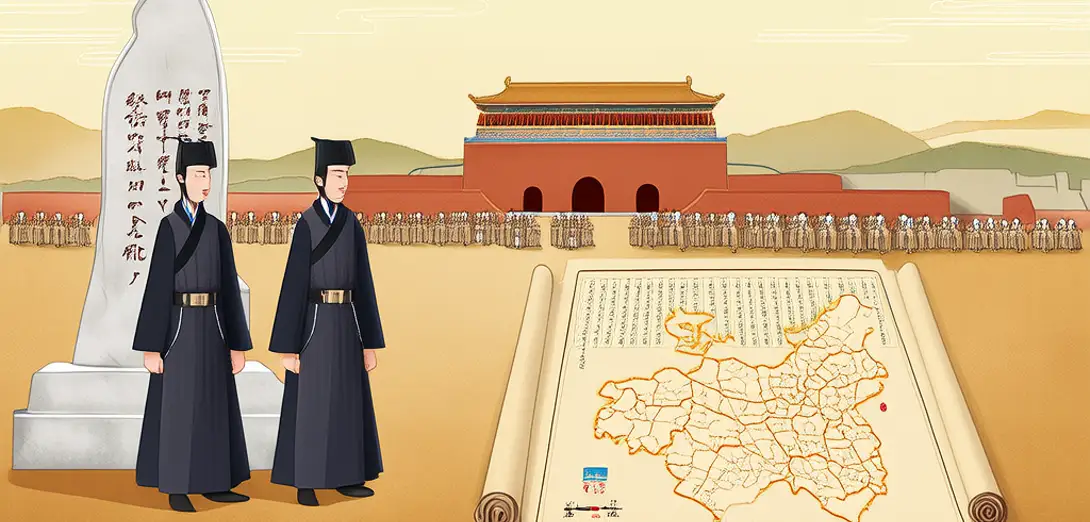
From Feudal Fiefs to Unified Prefectures: Qin-Han Centralization
从分封诸侯到郡县一统:秦汉中央集权制度
-
After unifying China in 221 BCE, the Qin Dynasty abolished hereditary feudal states and installed centrally appointed prefectural governors.公元前221年秦统一中国后,废除世袭分封制,改设中央任命的郡守。
-
Each commandery (jun) and county (xian) reported directly to the imperial court through standardized laws and written records.各郡、县均通过统一法令和书面文书直接向朝廷负责。
-
The Han Dynasty retained this system while softening its harshness and incorporating Confucian ethics into official conduct.汉代沿袭此制,同时缓和其严苛性,并将儒家伦理融入官僚行为规范。
-
Civil service appointments gradually replaced noble birth as the path to administrative power, laying groundwork for later examination systems.官员选拔逐渐以科举取士取代贵族世袭,为后世科举制度奠定基础。
-
Uniform weights, measures, script, and coinage strengthened economic integration across vast distances.统一度量衡、文字和货币,强化了广袤疆域内的经济整合。
-
Censors traveled regularly to inspect local officials and report corruption or inefficiency to the emperor.监察官定期巡视地方,向皇帝奏报官员腐败或失职。
-
This bureaucratic structure enabled rapid tax collection, large-scale infrastructure projects, and consistent legal enforcement.这一体制保障了赋税高效征收、大型基建顺利实施及法律统一执行。
-
Rebellions like the Yellow Turban Uprising later tested the system’s responsiveness to regional hardship.黄巾起义等叛乱,曾考验该体制应对地方困苦的反应能力。
-
Nonetheless, the郡县 system endured for over two millennia as China’s foundational administrative model.然而,郡县制作为中国根本行政模式,延续逾两千年。
-
Its legacy reveals how institutional innovation can sustain empire across dynastic change.其遗产昭示着制度创新如何支撑帝国跨越朝代更迭而长存。