正在确认阅读权限…
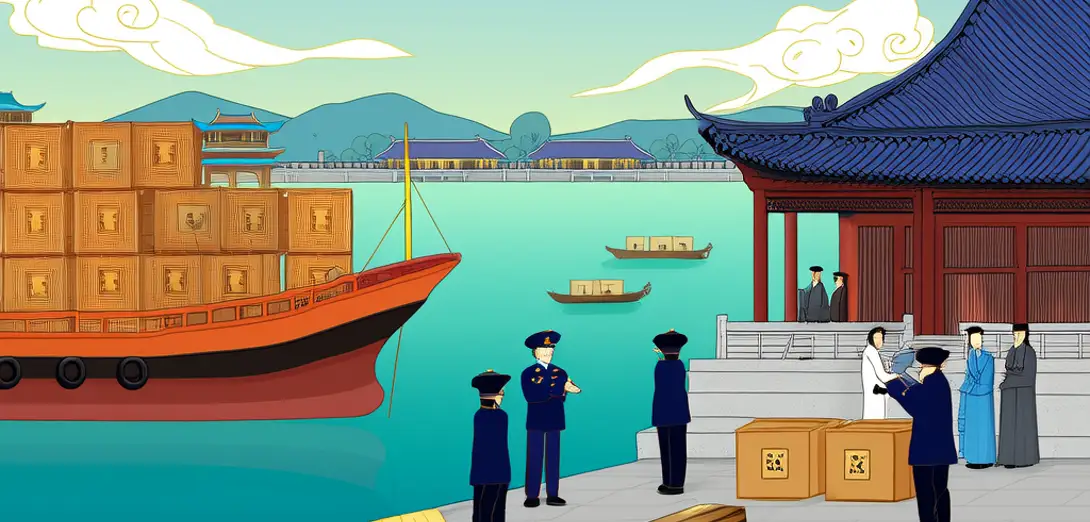
Opium, War, and Unequal Treaties: The Opening of Treaty Ports
鸦片、战争与不平等条约:通商口岸的开启
-
British merchants smuggled opium from India into Qing China to reverse chronic trade deficits caused by tea and silk exports.英国商人将印度鸦片走私至清朝中国,以扭转因茶叶和丝绸出口造成的长期贸易逆差。
-
By the 1830s, widespread addiction and silver outflow prompted Emperor Daoguang to appoint Lin Zexu to suppress the trade.到1830年代,鸦片泛滥成瘾与白银大量外流,促使道光皇帝任命林则徐禁绝鸦片贸易。
-
Lin’s confiscation and destruction of opium stocks at Humen triggered the First Opium War in 1839.林则徐在虎门收缴并销毁鸦片,直接引发1839年第一次鸦片战争。
-
Britain’s superior naval power forced China’s defeat, resulting in the Treaty of Nanjing in 1842—the first of many unequal treaties.英国凭借强大海军迫使中国战败,1842年签订《南京条约》——这是诸多不平等条约之首。
-
That treaty ceded Hong Kong Island, opened five treaty ports, and granted extraterritorial rights to foreign nationals.该条约割让香港岛,开放五处通商口岸,并赋予外国人在华治外法权。
-
Subsequent treaties expanded foreign privileges, including missionary access, inland navigation, and tariff control.后续条约进一步扩大外国特权,包括传教自由、内河航行权及关税控制权。
-
Treaty ports like Shanghai and Tianjin became cosmopolitan enclaves where Western legal and financial systems operated alongside Chinese society.上海、天津等通商口岸成为中西交融的国际化飞地,西方法律与金融体系与中国社会并存。
-
These concessions weakened Qing sovereignty and catalyzed domestic reform movements and anti-foreign resistance.这些让步削弱了清朝主权,也催生了国内改革运动与反洋抵抗浪潮。
-
Yet they also accelerated urban modernization, introducing railways, telegraphs, and modern education institutions.但同时也加速了城市现代化进程,引入铁路、电报及现代教育机构。
-
The treaty port era thus marks a pivotal rupture in China’s encounter with industrial imperialism and global capitalism.通商口岸时代因此成为中国直面工业帝国主义与全球资本主义的关键转折点。