正在确认阅读权限…
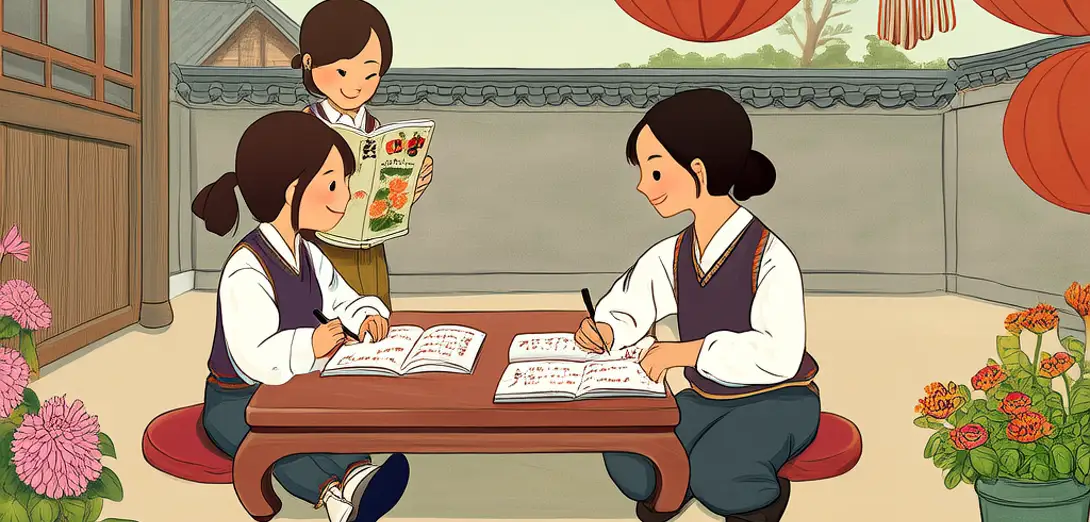
Writing the Nation: The May Fourth Movement and the Rise of Vernacular Chinese
书写民族:五四运动与白话文的兴起
-
In 1919, students in Beijing protested the Versailles Treaty’s transfer of German concessions in Shandong to Japan.1919年,北京学生抗议《凡尔赛和约》将德国在山东的权益转让给日本。
-
Intellectuals like Hu Shi and Chen Duxiu linked national renewal to linguistic reform, arguing classical Chinese excluded ordinary people from public discourse.胡适、陈独秀等知识分子将民族复兴与语言改革挂钩,指出文言文将普通人排除在公共话语之外。
-
Hu’s 1917 essay 'Preliminary Discussion of Literary Reform' called for writing that matched spoken language and served social progress.胡适1917年发表《文学改良刍议》,主张写作应贴近口语,并服务于社会进步。
-
New journals such as 'New Youth' published fiction, essays, and poetry in baihua—clear, accessible vernacular Chinese.《新青年》等新刊物以白话文刊登小说、散文和诗歌,语言清晰易懂。
-
School textbooks gradually replaced classical texts, enabling broader literacy and faster dissemination of new ideas.中小学教材逐步取代文言课本,提升了识字率,加速了新思想的传播。
-
Writers like Lu Xun used vernacular to expose social injustice, making literature a tool for moral and political awakening.鲁迅等作家用白话文揭露社会不公,使文学成为道德与政治觉醒的工具。
-
The 1920 Ministry of Education order mandated baihua in primary schools, institutionalizing the shift nationwide.1920年教育部下令小学必须使用白话文教学,将这一变革在全国制度化。
-
This language reform empowered women, workers, and rural readers who had never mastered classical grammar or vocabulary.这场语言改革赋予女性、工人和乡村读者话语权——他们此前从未掌握过文言的语法与词汇。
-
It also created a shared literary space across dialect regions, strengthening cultural unity amid political fragmentation.它还在方言区之间构建起共通的文学空间,在政治分裂中增强了文化凝聚力。
-
More than grammar, baihua became the voice of a reimagined Chinese modernity—rational, inclusive, and forward-looking.白话文所承载的,远不止语法革新;它更成为一种重构中的中国现代性的声音——理性、包容、面向未来。