正在确认阅读权限…
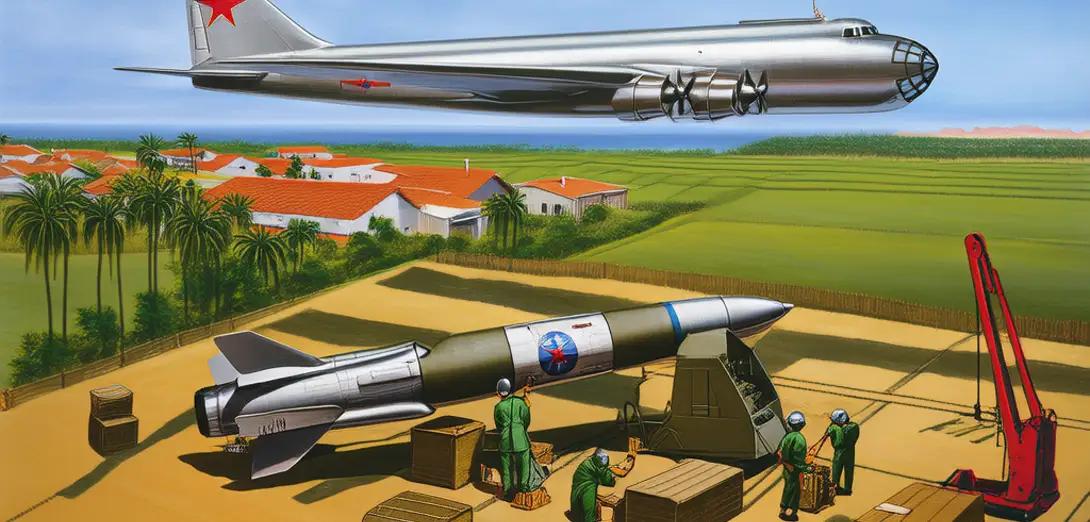
Cuban Missile Crisis: Brinkmanship and the Birth of Nuclear Deterrence
古巴导弹危机:边缘政策与核威慑的诞生
-
In October 1962, U.S. spy planes discovered Soviet nuclear missiles being installed in Cuba, just 90 miles from Florida.1962年10月,美国侦察机发现苏联正在古巴部署核导弹,距佛罗里达仅90英里。
-
President Kennedy demanded their removal and imposed a naval quarantine around the island to prevent further shipments.肯尼迪总统要求立即撤除导弹,并在该岛周边实施海军封锁,阻止后续物资运送。
-
For thirteen tense days, the world watched as Soviet ships approached the blockade line without turning back.在紧张的十三天里,全世界屏息注视着苏联船只逼近封锁线却未掉头返航。
-
Behind closed doors, both superpowers negotiated secretly while publicly refusing to yield first.双方在幕后秘密谈判,同时在公开场合拒不率先让步。
-
Khrushchev agreed to withdraw the missiles if the U.S. pledged never to invade Cuba and secretly removed Jupiter missiles from Turkey.赫鲁晓夫同意撤走导弹,条件是美国承诺永不入侵古巴,并秘密撤出部署在土耳其的朱庇特导弹。
-
This near-catastrophe convinced leaders that direct nuclear war must be avoided at all costs.这场近乎灾难的危机使各国领导人确信:必须不惜一切代价避免直接核战争。
-
Hotlines were installed between Washington and Moscow to prevent future miscommunication during crises.美苏在华盛顿与莫斯科之间设立热线,以防未来危机中因沟通不畅引发误判。
-
Arms control treaties like the Limited Test Ban Treaty followed soon afterward as trust slowly rebuilt.随后不久,《有限禁止核试验条约》等军控条约相继签署,信任逐步重建。
-
Deterrence theory now held that mutual vulnerability could paradoxically preserve peace.威慑理论由此确立:相互脆弱性反而能悖论式地维系和平。
-
The crisis remains history’s clearest example of how diplomacy under extreme pressure can avert disaster.这场危机至今仍是历史上最清晰的范例,展现极端压力下的外交如何力挽狂澜。