正在确认阅读权限…
The Hundred Days’ Reform and Constitutional Aspirations in Late Qing China
百日维新与晚清立宪思潮
-
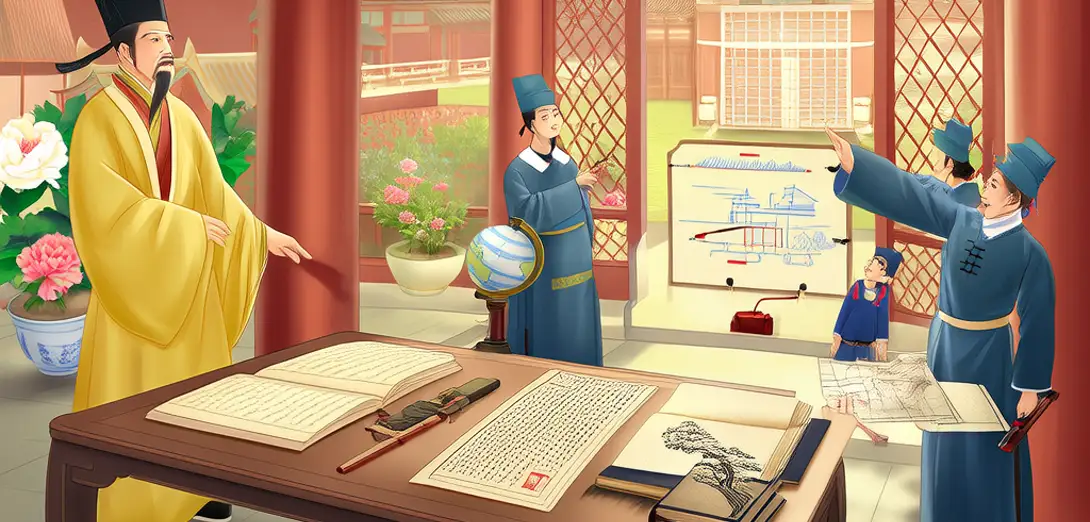
In 1898, Emperor Guangxu launched sweeping reforms to modernize China’s government, military, and education system.1898年,光绪帝推行全面改革,以现代化中国的政府、军队和教育体系。
-
Scholars like Kang Youwei and Liang Qichao urged adoption of constitutional monarchy modeled on Japan and Britain.康有为、梁启超等学者主张效仿日本与英国,建立君主立宪制。
-
New schools taught Western science, newspapers promoted public debate, and ministries were reorganized for efficiency.新式学堂讲授西方科学,报纸推动公共讨论,各部院亦重组以提升效率。
-
Conservative officials and Empress Dowager Cixi opposed changes threatening Manchu privilege and imperial authority.保守官员及慈禧太后反对威胁满族特权与皇权的变革。
-
After only 103 days, Cixi staged a coup, placed the emperor under house arrest, and reversed nearly all reforms.仅百余天后,慈禧发动政变,将皇帝软禁,并几乎废除全部改革措施。
-
Though short-lived, the movement planted ideas about rule of law and citizen rights among young intellectuals.尽管昙花一现,这场运动已在青年知识分子中播下法治与公民权利的思想种子。
-
Its failure exposed deep structural resistance to institutional change within the Qing court.其失败暴露了清廷内部对制度变革的深层阻力。
-
Many reformers fled abroad and continued advocating constitutionalism through journals and lectures.许多改革者流亡海外,通过报刊与演讲持续倡导君主立宪。
-
These debates laid groundwork for the 1905–1911 constitutional preparation period before the dynasty collapsed.这些论争为清朝覆灭前的1905至1911年‘预备立宪’时期奠定了基础。
-
The Hundred Days showed how reformist vision could spark national reflection even when crushed by power.百日维新表明,即便被强权扼杀,改革愿景仍能激发全民反思。