正在确认阅读权限…
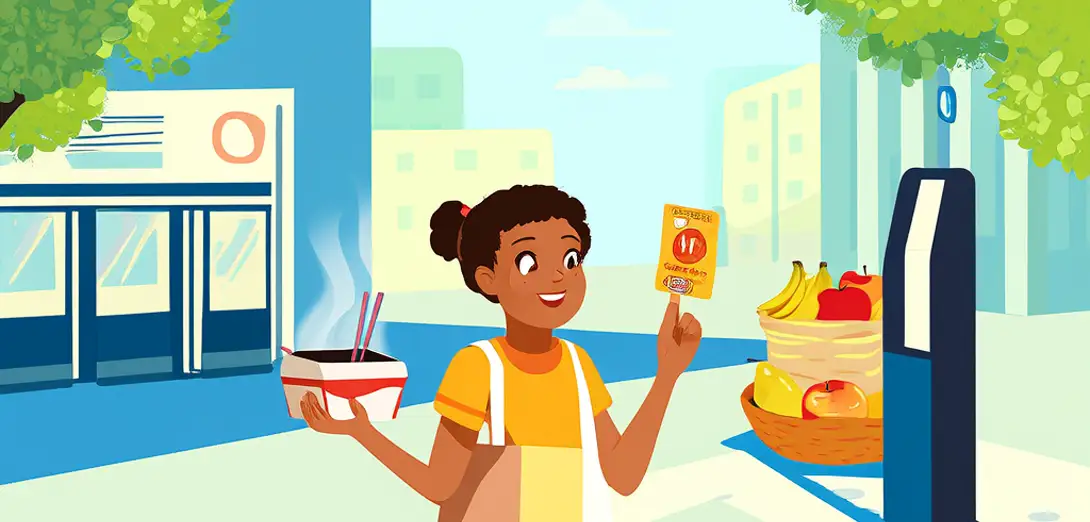
Budget Constraint and Choosing What to Buy
预算约束线与消费组合选择
-
With $50 a week for food and transport, you can’t buy unlimited takeout *and* subway passes *and* fresh fruit.每周50美元的餐饮和交通费,无法无限制地买外卖、地铁票和新鲜水果。
-
Every choice has a trade-off: one more coffee means one less snack—or skipping lunch twice.每个选择都有取舍:多喝一杯咖啡,就意味着少买一份零食,或两周不吃午餐。
-
Prices set the slope of your budget line—when bus fare rises, your food options shrink unless income grows.价格决定了预算线的斜率——公交票价上涨,若收入不增加,你的食物选择就会减少。
-
Students often redraw this line weekly: 'Can I afford both Netflix *and* textbooks this month?'学生常每周重新画这条线:‘这个月我还能同时负担网飞和教材吗?’
-
Sales and coupons shift the line outward temporarily—but real flexibility comes from steady income or lower fixed costs.促销和优惠券能暂时将预算线向外推移,但真正的灵活性来自稳定的收入或更低的固定开支。
-
Seeing choices as points along a line—not isolated yes/no decisions—builds clearer spending habits.把选择看作预算线上的一系列点,而非孤立的是/否决定,有助于养成更清晰的消费习惯。
-
Apps that track spending help visualize where you sit on that line each day.记账类App能帮你直观看到自己每天在预算线上的位置。
-
Parents teaching teens often use allowance + chores to model this trade-off early.家长教青少年时,常通过零花钱加家务来及早示范这种取舍。
-
It’s not about restriction—it’s about mapping what matters *most* within real limits.这并非关于限制,而是基于现实约束,厘清什么最重要。
-
Freedom lies in conscious trade-offs—not endless options.自由源于清醒的权衡,而非无穷无尽的选择。