正在确认阅读权限…
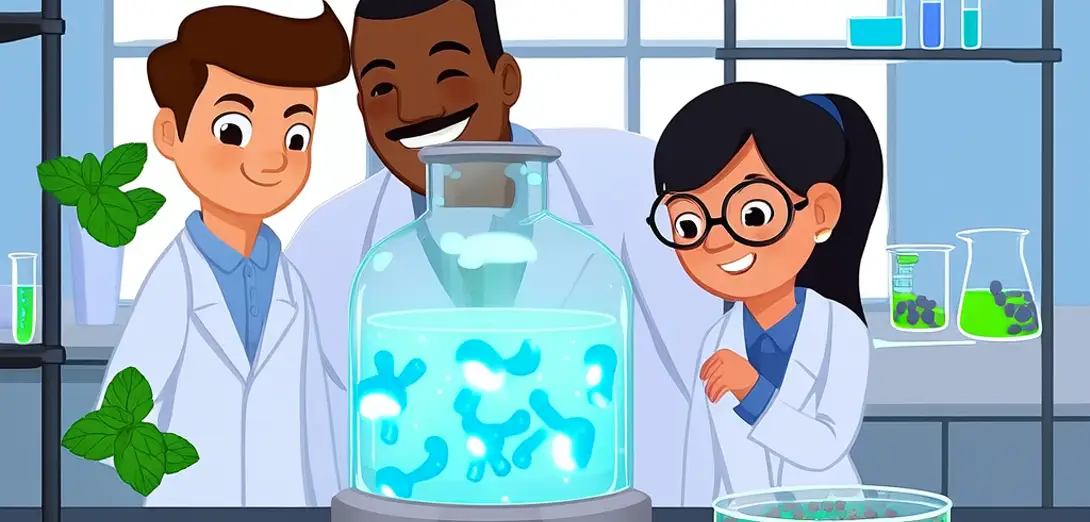
Synthetic Biology and Containment Protocols for Engineered Organisms
合成生物学与工程化生物体的生物安全防护协议
-
Scientists now design microbes with novel DNA sequences to produce medicines or break down plastics.科学家如今设计携带新型DNA序列的微生物,以生产药物或降解塑料。
-
But releasing such organisms into nature risks unintended ecological consequences or gene transfer.但将这类生物释放到自然环境中,可能带来意外的生态后果或基因转移风险。
-
Containment strategies include 'kill switches'—genetic circuits that trigger cell death under specific conditions.containment策略包括‘自杀开关’——在特定条件下触发细胞死亡的基因回路。
-
Some engineered bacteria require synthetic amino acids not found in nature to survive outside labs.一些经改造的细菌需依赖自然界中不存在的人工氨基酸才能在实验室外存活。
-
Researchers also use auxotrophy, making organisms dependent on lab-supplied nutrients they cannot synthesize.研究人员还采用营养缺陷型策略,使生物体依赖实验室提供的、自身无法合成的营养物质。
-
Physical barriers like sealed bioreactors complement biological safeguards in industrial settings.在工业环境中,密封式生物反应器等物理屏障与生物防护措施相辅相成。
-
International guidelines require risk assessments before any field trial of living synthetic constructs.国际指南要求,在开展任何活体合成生物的野外试验前,必须进行风险评估。
-
Unlike traditional GMOs, many synthetic organisms carry multiple redundant safety layers by design.与传统转基因生物不同,许多合成生物在设计时就内置了多重冗余安全机制。
-
Public trust depends on transparent reporting of containment success rates and failure modes.公众信任取决于对防控成功率及失效模式的透明披露。
-
These protocols turn theoretical biosecurity into measurable, auditable engineering practice.这些规程将理论上的生物安全转化为可量化、可审计的工程实践。