正在确认阅读权限…
Ultrasonic Fingerprint Sensors and Spoof Resistance
超声波指纹传感器与防伪能力
-
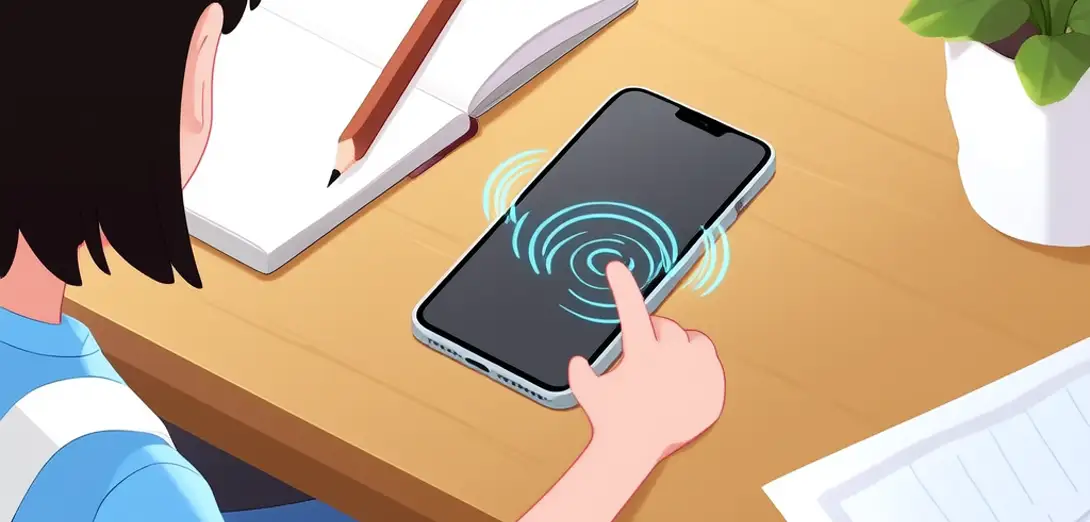
Ultrasonic sensors send high-frequency sound waves through your fingertip to map its 3D structure.超声波传感器向指尖发射高频声波,以构建其三维结构。
-
Unlike optical scanners, they capture ridges, valleys, and even sub-surface features like sweat pores.与光学扫描仪不同,它能捕捉指纹的脊线、谷线,甚至汗孔等皮下特征。
-
This 3D depth data makes it extremely hard to fool them with photos or silicone molds.这种三维深度数据使其极难被照片或硅胶模具欺骗。
-
They work reliably even with wet, dry, or slightly dirty fingers because sound travels well in such conditions.即使手指潮湿、干燥或略带污垢,也能稳定工作,因为声波在这些条件下传播良好。
-
Manufacturers embed these sensors under smartphone glass, eliminating visible cutouts and improving durability.制造商将此类传感器嵌入智能手机玻璃下方,无需开孔,提升了耐用性。
-
The system converts acoustic echoes into digital maps using time-of-flight calculations.系统通过飞行时间计算,将声波回波转化为数字图像。
-
Spoof attempts fail because fake materials reflect sound differently than living tissue.伪造尝试会失败,因为仿制材料对声波的反射特性与活体组织不同。
-
Battery usage is higher than capacitive sensors, but modern chips optimize power per scan.功耗高于电容式传感器,但现代芯片可优化每次扫描的能耗。
-
Medical-grade validation shows ultrasonic sensors reject over 99.7% of common spoof materials.医疗级验证表明,超声波传感器可拒识99.7%以上的常见伪造材料。
-
Their precision supports secure mobile banking and biometric ID without external hardware.其高精度支持安全的移动支付和生物识别身份认证,无需外接硬件。