正在确认阅读权限…
Screen Refresh Rate and Motion Blur Perception
屏幕刷新率与运动模糊感知
-
A screen's refresh rate measures how many times per second it redraws the image.屏幕刷新率指屏幕每秒重绘图像的次数。
-
Standard monitors refresh at 60 Hz, while gaming displays often reach 144 or 240 Hz.普通显示器刷新率为60Hz,而游戏显示器通常可达144Hz或240Hz。
-
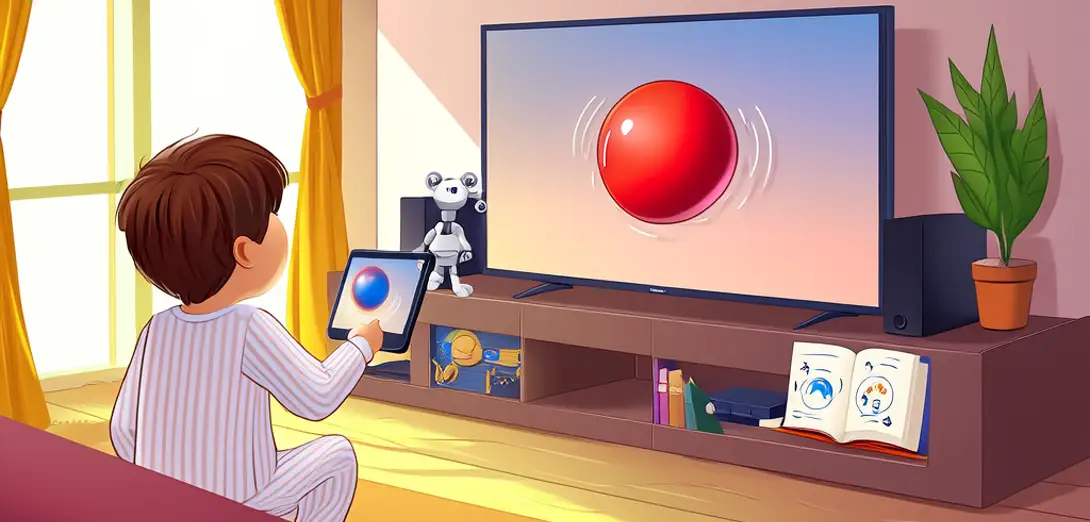
Low refresh rates cause visible 'motion blur' when fast objects move across the screen.刷新率过低会导致快速移动物体在屏幕上出现明显“运动模糊”。
-
This happens because the human eye retains images briefly, blending successive frames.这是因为人眼会短暂保留图像,使连续帧相互融合。
-
Higher refresh rates reduce blur by updating positions more frequently and smoothly.更高的刷新率通过更频繁、更平滑地更新画面位置来减少模糊。
-
Response time — how quickly pixels change color — also affects perceived sharpness.响应时间——即像素变色速度——也会影响观感锐度。
-
Smartphones use adaptive refresh rates to save battery while maintaining clarity.智能手机采用自适应刷新率,在保证清晰度的同时节省电量。
-
Video content filmed at 24 or 30 fps may still look smooth on high-Hz screens due to interpolation.以24或30帧/秒拍摄的视频,在高刷新率屏幕上借助插帧技术仍可呈现流畅效果。
-
VR headsets require at least 90 Hz to prevent nausea from lag-induced disorientation.VR头显需至少90Hz刷新率,以防延迟导致眩晕和方向错乱。
-
Refresh rate matters most in dynamic tasks like gaming, sports viewing, or drone piloting.刷新率在游戏、体育观赛、无人机操控等动态场景中最为关键。