正在确认阅读权限…
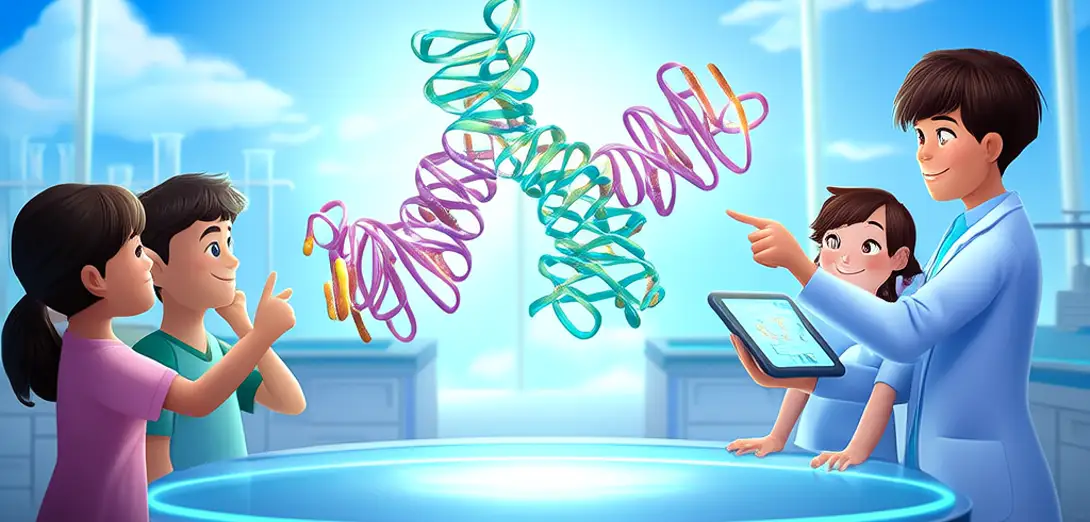
Protein Folding Prediction and Its Impact on Drug Discovery
蛋白质折叠预测及其对药物研发的影响
-
Proteins fold into precise 3D shapes that determine how they interact with other molecules in our bodies.蛋白质折叠成精确的三维结构,决定其在人体内如何与其他分子相互作用。
-
Misfolded proteins cause diseases like Alzheimer’s, cystic fibrosis, and some cancers.错误折叠的蛋白质会导致阿尔茨海默病、囊性纤维化及某些癌症等疾病。
-
AI tools like AlphaFold now predict protein structures from amino acid sequences with atomic accuracy.AlphaFold等AI工具如今能根据氨基酸序列以原子级精度预测蛋白质结构。
-
These predictions let scientists model how potential drug molecules might bind to disease targets.这些预测使科学家能够模拟潜在药物分子与疾病靶点的结合方式。
-
Virtual screening replaces months of lab trials by simulating millions of chemical interactions digitally.虚拟筛选通过数字化模拟数百万种化学相互作用,取代了长达数月的实验室试验。
-
Researchers use predicted structures to design small molecules that stabilize healthy folds or block harmful ones.研究人员利用预测结构设计小分子,以稳定健康构象或阻断有害构象。
-
Accurate folding models also help engineer enzymes for green chemistry and biodegradable plastics.精准的折叠模型还有助于设计用于绿色化学和可降解塑料的工程酶。
-
Before AI, solving one protein structure could take years; now it takes minutes on modern hardware.AI出现前,解析一个蛋白质结构可能耗时数年;如今在现代硬件上仅需数分钟。
-
This speed-up accelerates personalized medicine, especially for rare genetic disorders with unique mutations.这种提速加速了个性化医疗的发展,尤其有利于携带独特突变的罕见遗传病。
-
Understanding folding isn’t just biology—it’s computational physics, chemistry, and therapeutic design combined.理解蛋白质折叠不仅是生物学问题,更是计算物理、化学与治疗设计的融合。