正在确认阅读权限…
Quantized Reasoning and Precision Loss
量化推理与精度损失
-
When AI models run on phones or cars, engineers compress numbers from 32-bit floats down to just 8 bits.当AI模型在手机或汽车上运行时,工程师会将32位浮点数压缩至仅8位。
-
This quantization saves memory and speeds up math—but small rounding errors accumulate during complex calculations.这种量化能节省内存并加快计算速度,但微小的舍入误差会在复杂运算中逐渐累积。
-
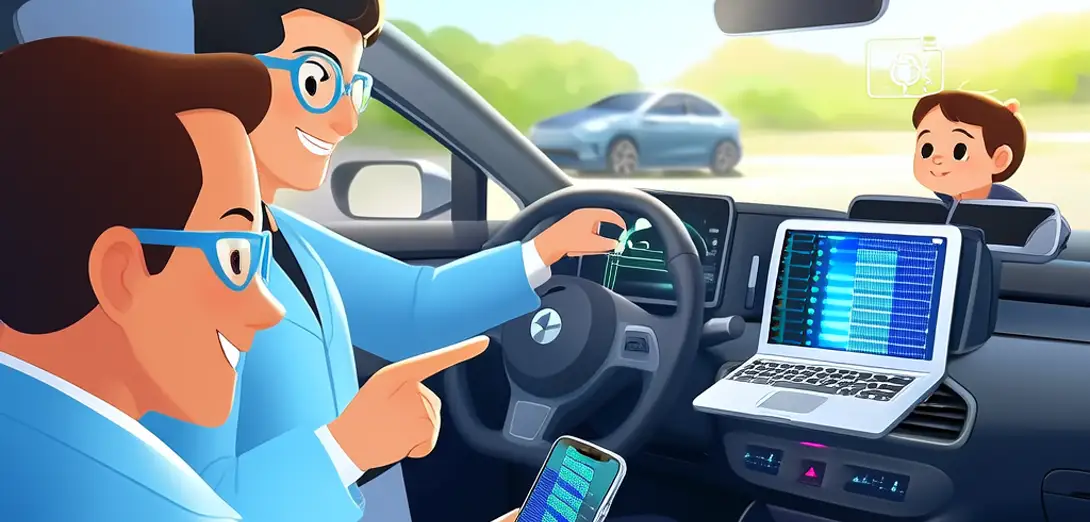
A self-driving car might misjudge a pedestrian’s distance by 20 cm if quantization isn’t carefully calibrated.若量化未经过精细校准,自动驾驶汽车可能将行人的距离误判达20厘米。
-
Techniques like ‘quantization-aware training’ teach models to expect those tiny errors before deployment.‘量化感知训练’等技术可在部署前让模型提前适应这些细微误差。
-
Audio enhancers using low-bit math sometimes add faint digital hiss—not because they’re broken, but by design trade-off.采用低位数运算的音频增强器有时会引入轻微的数字嘶嘶声——并非设备故障,而是设计取舍所致。
-
Not all tasks suffer equally: recognizing a cat needs less precision than calculating rocket trajectory.并非所有任务受精度损失影响相同:识别猫所需精度远低于计算火箭轨迹。
-
Engineers balance speed, size, and accuracy—like choosing between a sharp pencil sketch and a high-res satellite image.工程师需在速度、体积与精度之间权衡,就像在精细铅笔素描与高分辨率卫星图像间做选择。
-
Understanding this loss helps users trust AI tools without overestimating what ‘smart’ really means in hardware limits.理解这种精度损失,有助于用户在硬件限制下理性信任AI工具,不夸大其‘智能’的真实含义。