正在确认阅读权限…
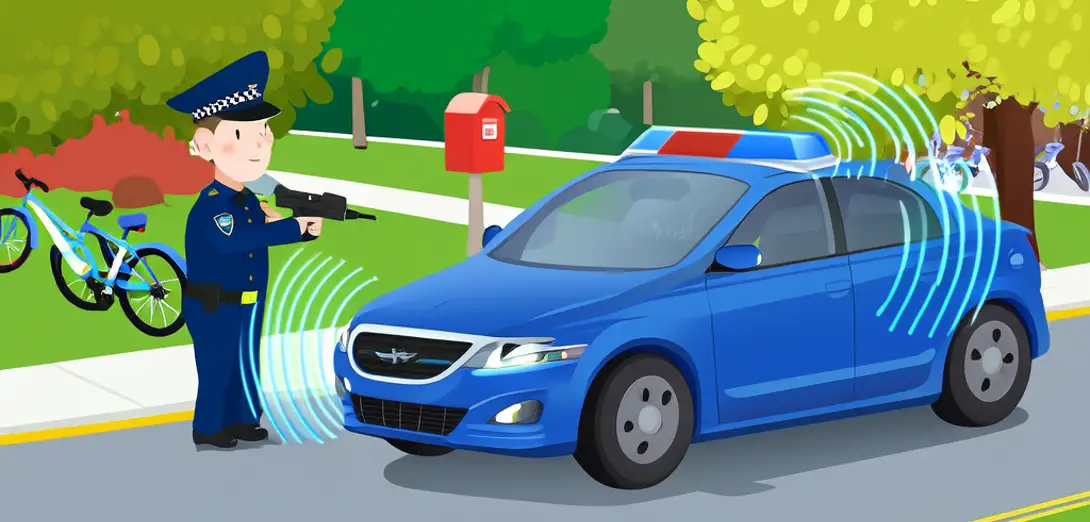
Doppler Effect and Radar Speed Detection
多普勒效应与雷达测速
-
When a police radar gun sends out radio waves, moving cars reflect them back at slightly changed frequencies.警用雷达枪发射无线电波,行驶中的车辆会将其反射回来,频率略有变化。
-
If the car approaches, reflected waves bunch up—raising frequency like a siren pitch rising as an ambulance nears you.若车辆靠近,反射波会压缩,频率升高,就像救护车驶近时警笛声调变高。
-
If the car moves away, waves stretch out—lowering frequency, just as the siren drops in pitch after passing.若车辆远离,反射波会拉伸,频率降低,恰如救护车驶过之后警笛声调变低。
-
The radar unit measures this tiny frequency shift—often less than 0.001%—to compute exact speed in miles per hour.雷达设备测量这一微小的频率偏移(通常小于0.001%),从而精确计算出车速(英里/小时)。
-
This same principle helps meteorologists track storm rotation and doctors monitor blood flow in arteries.同一原理也被气象学家用于追踪风暴旋转,被医生用于监测动脉血流。
-
Unlike lidar, radar works in rain or fog because radio waves penetrate moisture better than laser light.与激光雷达不同,雷达可在雨雾中正常工作,因为无线电波穿透水汽的能力强于激光。
-
Speed cameras combine Doppler radar with image capture—timing the shift ensures fairness, not just visual guesswork.测速摄像头将多普勒雷达与图像捕捉结合——通过精确计时频率偏移,确保公平性,而非仅凭肉眼估测。
-
Every time you hear a train whistle change tone, you’re experiencing the same physics that keeps roads safer today.每次听到火车鸣笛音调变化,你都在亲身感受着今天保障道路安全的同一物理原理。