正在确认阅读权限…
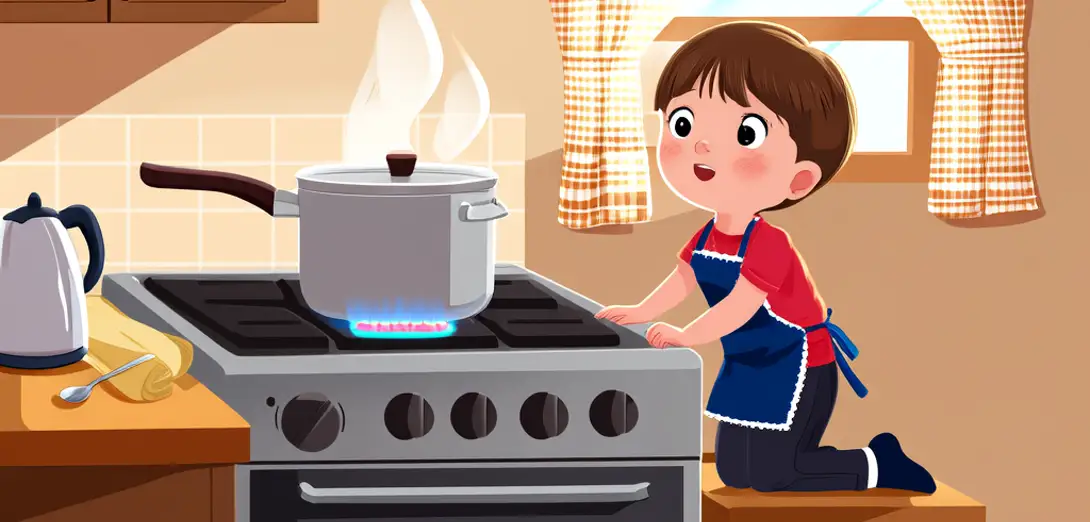
Latent Heat of Phase Change and the Boiling Plateau
相变潜热与烧水沸腾平台期
-
When water reaches 100°C at sea level, temperature stops rising—even with steady heat—until all liquid becomes steam.在海平面,水温升至100°C后便不再上升——即使持续加热——直至全部液态水转化为水蒸气。
-
That pause happens because energy flows not into raising temperature, but into breaking molecular bonds during phase change.这一温度暂停发生,是因为能量并未用于升温,而是用于相变过程中的分子键断裂。
-
This stored energy is called latent heat: 2260 kJ per kilogram, over five times more than needed to warm water from 0°C to 100°C.这部分储存的能量称为潜热:每千克2260千焦,是将水从0°C加热到100°C所需能量的五倍以上。
-
Steam burns are worse than boiling water burns precisely because steam releases all that latent heat instantly on skin.蒸汽烫伤比沸水烫伤更严重,正是因为蒸汽接触皮肤时会瞬间释放全部潜热。
-
Refrigerators exploit the reverse: compressing gas into liquid releases latent heat outside; expanding liquid into gas absorbs heat inside.冰箱利用相反原理:气体压缩成液体时在外部释放潜热;液体膨胀为气体时在内部吸收热量。
-
Geysers erupt when underground water absorbs latent heat from rock, builds pressure, then flashes to steam explosively.间歇泉喷发,是因为地下水中吸收岩石所传潜热、压力积聚,随后突然剧烈汽化。
-
Cooking pasta evenly depends on maintaining rolling boil—ensuring constant energy input matches latent heat demand.均匀煮熟意大利面依赖于维持剧烈沸腾——确保持续输入的能量恰好满足汽化潜热需求。
-
Phase-change materials in building walls absorb daytime heat as they melt, then release it slowly at night—stabilizing indoor temperatures.建筑墙体中的相变材料白天熔化吸热,夜间缓慢凝固放热,从而稳定室内温度。