正在确认阅读权限…
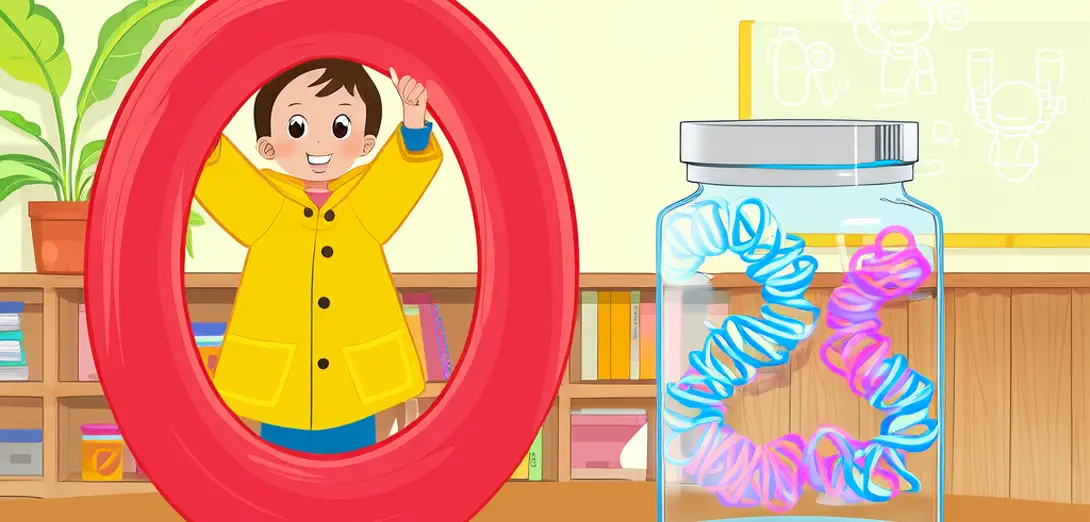
Why Rubber Exhibits Entropic Elasticity
为什么橡胶具有熵弹性
-
Rubber elasticity arises not from bond stretching—like metals—but from the tendency of coiled polymer chains to return to higher-entropy configurations.橡胶的弹性并非源于化学键拉伸(如金属),而是源于卷曲高分子链恢复高熵构象的趋势。
-
When stretched, polymer chains align, reducing conformational freedom and decreasing entropy—the driving force for recoil.拉伸时,高分子链排列整齐,构象自由度降低,熵减小——这正是回弹的驱动力。
-
This entropic mechanism explains rubber’s unusual negative thermal expansion: heating it increases tension, not relaxation.这种熵驱动机制解释了橡胶反常的负热膨胀现象:加热反而增大张力,而非松弛。
-
Cross-linking with sulfur (vulcanization) prevents permanent flow while preserving chain mobility essential for elasticity.硫化(硫交联)可防止永久形变,同时保留高分子链运动能力,从而维持弹性。
-
The Mooney–Rivlin constitutive model separates elastic response into volumetric and deviatoric components rooted in statistical mechanics.穆尼–里夫林本构模型基于统计力学,将弹性响应分解为体积变形和偏斜变形两部分。
-
Natural rubber’s cis-1,4-polyisoprene structure enables tighter coiling and superior elasticity versus synthetic alternatives.天然橡胶的顺式-1,4-聚异戊二烯结构使其卷曲更紧密,弹性优于合成橡胶。
-
Strain-induced crystallization in high-stress regions further enhances tear resistance—an emergent property beyond simple entropy loss.高应力区域发生的应变诱导结晶进一步提升抗撕裂性——这是一种超越单纯熵损失的涌现特性。
-
Tires engineered for EVs optimize hysteresis loss to balance grip, rolling resistance, and heat generation.专为电动车设计的轮胎优化滞后损耗,在抓地力、滚动阻力与生热间取得平衡。
-
Fatigue failure occurs when localized chain scission accumulates faster than repair mechanisms can re-cross-link.当局部高分子链断裂累积速度超过修复性再交联速度时,便发生疲劳失效。
-
Atomic force microscopy now visualizes single-polymer chain extension, validating theoretical predictions of force–extension curves.原子力显微镜现已能直接观测单根高分子链的拉伸过程,验证了力–伸长关系的理论预测。
-
Entropy-driven elasticity underpins everything from catheter tubing to seismic isolation bearings.熵驱动弹性支撑着从导管管材到隔震支座等各类宏观应用。
-
It reminds us that macroscopic 'springiness' often emerges from microscopic disorder seeking restoration.它提醒我们:宏观上的‘弹性’往往源自微观无序态对自身恢复的追求。