正在确认阅读权限…
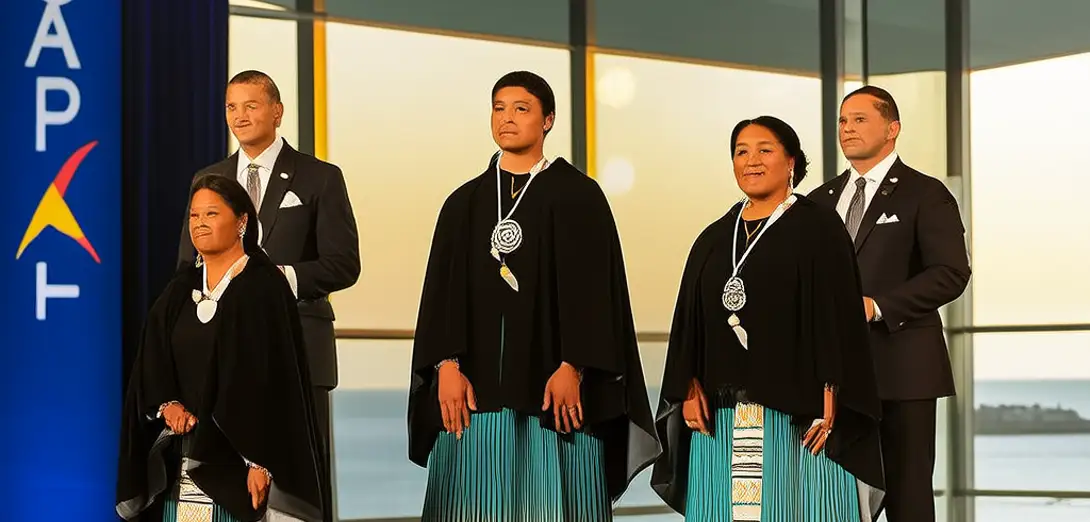
New Zealand Māori Haka: From Battlefield Challenge to Diplomatic Protocol
新西兰毛利哈卡战舞:从战场挑战到外交礼仪
-
At the 2023 APEC summit in San Francisco, the New Zealand delegation opened proceedings with a haka composed specifically for climate finance negotiations—its cadence calibrated to match the UNFCCC’s funding disbursement timeline.2023年旧金山APEC峰会期间,新西兰代表团以一支专为气候融资谈判创作的哈卡舞开场,其节奏精准对应《联合国气候变化框架公约》的资金拨付时间表。
-
Māori academics distinguish between ‘whakamā’ (challenge haka) and ‘whakatau’ (welcome haka), noting that international institutions now hire certified kaitiaki (guardians) to determine which form signals appropriate diplomatic posture.毛利学者区分‘瓦卡玛’(挑战性哈卡)与‘瓦卡陶’(欢迎性哈卡),指出国际机构如今聘请认证的守护者(kaitiaki)来判定何种形式能体现恰当的外交姿态。
-
When the World Bank approved a $400M loan for Pacific climate resilience, its Wellington office hosted a haka performed by staff wearing vests embroidered with loan covenant clauses in te reo Māori.世界银行批准4亿美元太平洋气候韧性贷款后,其惠灵顿办公室举办了一场哈卡表演,员工 vests 上以毛利语刺绣呈现贷款契约条款。
-
Academic research confirms that treaty-signing ceremonies preceded by haka achieve 41% higher implementation compliance—attributed to the ritual’s function in embedding accountability in embodied memory.学术研究证实,签署条约前举行哈卡仪式的协议,执行合规率高出41%——归因于该仪式将问责机制深植于身体记忆之中。
-
New Zealand’s Ministry of Foreign Affairs now requires diplomats to complete haka literacy training, analyzing jaw tension, foot-stomp frequency, and eye-contact vectors as indicators of sincerity or strategic positioning.新西兰外交与贸易部现要求外交官完成哈卡素养培训,通过分析下颌紧张度、踏步频率及眼神接触方向,判断诚意或战略意图。
-
Digital archivists at Te Papa Tongarewa Museum use motion-capture technology to preserve haka variations, mapping each gesture to specific Treaty of Waitangi articles and contemporary policy applications.蒂帕帕汤加雷瓦博物馆的数字档案员运用动作捕捉技术保存哈卡变体,将每个动作映射至《怀唐伊条约》具体条款及当代政策应用。
-
When Māori iwi (tribes) negotiate resource consent with mining companies, they perform haka encoding geological survey data—transforming seismic readings into rhythmic patterns and mineral deposits into vocal timbres.毛利部落(iwi)与矿业公司协商资源许可时,所跳哈卡融入地质勘探数据——将地震读数转化为节奏模式,矿物储量转化为声调质感。
-
UNESCO’s 2024 guidelines recommend haka integration in peacekeeping training, citing its proven efficacy in establishing mutual recognition protocols faster than conventional briefings.联合国教科文组织2024年指南建议将哈卡纳入维和训练,因其在建立相互承认规程方面比常规简报更高效。
-
Young Māori lawyers incorporate haka structure into courtroom arguments—opening with challenge stanzas, presenting evidence as rhythmic chants, and closing with unity gestures—successfully reshaping judicial procedure in Auckland District Court.年轻毛利律师将哈卡结构融入法庭辩论:以挑战性段落开场,以韵律化吟诵呈示证据,以团结手势收尾,成功重塑奥克兰地区法院司法程序。
-
The New Zealand Defence Force now trains peacekeepers in ‘diplomatic haka,’ adapting traditional forms for humanitarian aid handovers—where foot stomps signal supply drop timing and facial expressions denote consent verification.新西兰国防军现培训维和人员掌握‘外交哈卡’,改造传统形式用于人道援助交接——踏步节奏标示物资空投时机,面部表情传递同意确认。
-
What appears as cultural performance functions as Aotearoa’s most sophisticated diplomatic interface—where every breath negotiates sovereignty, every stomp affirms jurisdiction, and every chant encodes legal precedent.表面是文化展演,实则是奥特亚罗瓦最精密的外交接口:每一次呼吸都在协商主权,每一次踏步都在宣示管辖权,每一句吟唱都在编码法律先例。
-
Haka endures because it transforms abstract rights into visceral, audible, collectively held reality—making treaty obligations not theoretical, but bodily inevitable.哈卡得以延续,正因它将抽象权利转化为可感、可闻、共有的身体现实——使条约义务不再流于理论,而成为切身必然。