正在确认阅读权限…
Ritual Refusals in Kyrgyz Nomadic Hospitality: When ‘No’ Is a Structural Necessity
吉尔吉斯游牧待客礼仪中的仪式性拒绝:‘不’作为结构性必需
-
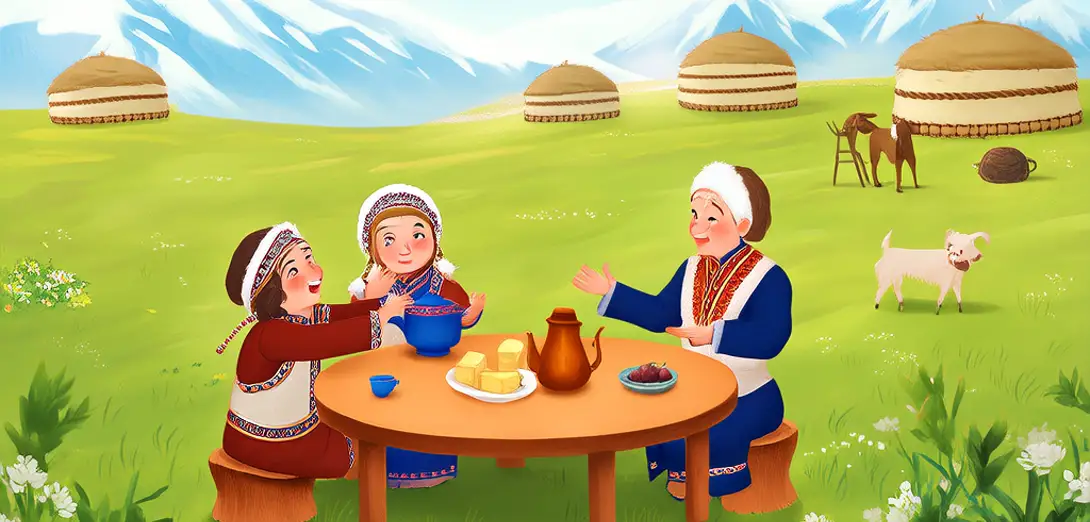
In high-altitude yurt circles, refusing tea three times isn’t politeness—it’s an embodied calibration of reciprocity and ecological limits.在高海拔的蒙古包圈子里,连拒三次茶并非客套,而是对互惠与生态限度的身体化校准。
-
Guests who accept immediately risk signaling ignorance of pasture scarcity, winter fodder debt, or the host’s recent livestock loss.客人若立即接受,可能被视作无视草场匮乏、冬储饲料亏欠或主人近期牲畜损失。
-
The third refusal coincides with the host’s third pour: a silent agreement that hospitality must be sustainable, not symbolic.第三次婉拒恰与主人第三次斟茶同步:一种无声共识——待客须可持续,而非仅具象征意义。
-
Elders monitor tone, posture, and sip duration—not as etiquette checks but as data points in communal risk assessment.长者关注语调、姿态与啜饮时长,并非考较礼节,而是将其作为集体风险评估的数据点。
-
Urban Kyrgyz professionals now replicate this rhythm in Bishkek offices, declining promotions or overtime offers with layered verbal deferrals.如今比什凯克的都市吉尔吉斯专业人士亦复刻此节奏,在办公室中以层层委婉辞令推拒升职或加班邀约。
-
Refusal here doesn’t denote disengagement; it activates kinship obligations that redistribute labor across extended networks.此处的拒绝并非疏离,而是激活亲属义务,将劳力重新分配至更广的关系网络。
-
Foreign diplomats trained in this protocol report higher trust scores—not because they mastered phrases, but because they honored temporal weight.经此礼仪训练的外国外交官信任度评分更高——并非因熟稔措辞,而是因尊重了时间的分量。
-
Even digital invitations to online nomadic forums follow this cadence: three staggered reminders before final acceptance.即便是线上游牧论坛的数字邀请,也遵循此节奏:三次错开提醒后方予最终应允。
-
The ritual prevents extraction disguised as generosity, especially under post-Soviet land reforms and climate-driven pasture fragmentation.这一仪式防止以慷慨为名的索取,尤其在后苏联土地改革与气候导致的草场碎片化背景下。
-
Young herders film ‘refusal tutorials’ on TikTok—not as satire, but as intergenerational infrastructure maintenance.年轻牧人将‘婉拒教程’拍成短视频上传抖音——非为讽刺,实为代际基础设施的维系。
-
This isn’t passive resistance; it’s a grammar of consent that predates written contracts by centuries.这并非消极抵抗,而是一种早于书面契约数世纪的同意语法。
-
When the kettle whistles for the fourth time, everyone knows the balance has shifted—and the real work begins.当茶壶第四次鸣响,众人皆知平衡已然改变——真正的劳作才刚刚开始。