正在确认阅读权限…
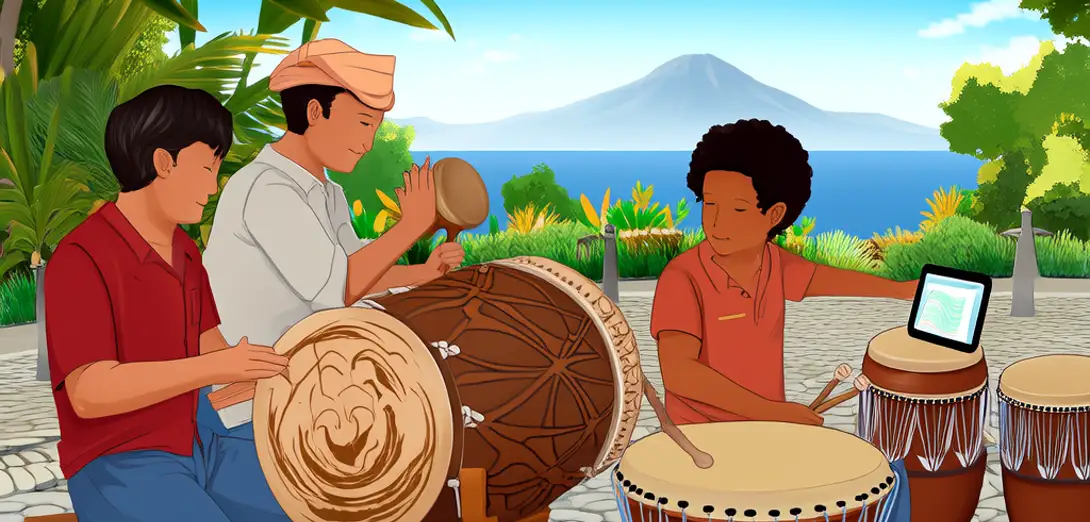
Réunion Island Maloya Fusion: Volcanic Rhythm as Decolonial Sonic Infrastructure
留尼汪岛马洛亚音乐融合:火山节奏作为去殖民化声学基础设施
-
Maloya musicians in Saint-Pierre tune drumheads not to concert pitch but to the resonant frequency of Piton de la Fournaise’s magma chamber, measured daily by INGV seismologists.圣皮埃尔的马洛亚音乐家不按音乐会标准音高调鼓,而是依据意大利国家地球物理与火山学研究所(INGV)地震学家每日测定的富尔奈斯火山岩浆房共振频率来调音。
-
Lyrics layer Creole French, Malagasy incantations, and extinct Mascarene vocabulary—each phoneme calibrated to volcanic tremor waveforms recorded since 1977.歌词融合克里奥尔法语、马尔加什语咒语及已消亡的马斯克林群岛词汇——每个音素均依据自1977年以来记录的火山颤动波形校准。
-
The roulér drum’s goatskin membrane is stretched over hollowed-out basalt, its timbre shaped by lava tube acoustics mapped via ground-penetrating radar.罗勒鼓的山羊皮鼓面绷在掏空的玄武岩上,其音色由探地雷达测绘的熔岩管声学特性塑造。
-
When performers insert steel rods into drum cavities mid-performance, they aren’t improvising—they’re sonifying real-time seismic data streamed from observatory servers.表演者在演出中将钢棒插入鼓腔,并非即兴发挥,而是将观测站服务器实时传来的地震数据转化为声音。
-
Fusion ensembles require certification from the Réunion Cultural Heritage Board, verifying that sampled slave ship manifests inform rhythmic phrasing choices.融合乐团须获留尼汪文化遗产委员会认证,确认所采样的奴隶船货单切实影响了节奏分句的选择。
-
Dance steps mimic lava flow viscosity gradients, with hip rotations calibrated to historical eruption rates documented in colonial botanical archives.舞蹈步伐模拟熔岩流黏度梯度,髋部旋转幅度依据殖民时期植物学档案记载的历史喷发速率校准。
-
Maloya recordings bypass streaming platforms; instead, they circulate via encrypted USB drives physically delivered to diaspora communities in Mayotte and Mauritius.马洛亚录音不通过流媒体平台传播,而是经加密U盘实体递送至马约特和毛里求斯的离散社群。
-
This music functions as sonic counter-mapping—each syncopation indexing plantation parcel boundaries erased from modern cadastral surveys.这种音乐发挥着声学反制绘图功能——每个切分音都标记着现代地籍测绘中已被抹除的种植园地块边界。
-
Young composers attend vulcanology seminars before writing new pieces, treating seismic charts as musical scores demanding ethical interpretation.青年作曲家须先参加火山学研讨会,方能创作新曲,将地震图视作需伦理诠释的乐谱。
-
The genre’s resurgence isn’t nostalgic revival but infrastructural reclamation: rebuilding auditory sovereignty over land violently silenced for centuries.该乐种的复兴并非怀旧式复兴,而是基础设施层面的收复:重建被暴力噤声数世纪的土地上的听觉主权。
-
Even festival soundchecks involve collaboration with geophysicists to ensure bass frequencies don’t interfere with early-warning sensors monitoring flank instability.即便是音乐节音响调试,也需与地球物理学家协作,确保低频不会干扰监测山体侧翼不稳定性的早期预警传感器。
-
Maloya thus operates as live, breathing, decolonial infrastructure—where rhythm regulates memory, resistance, and geological time simultaneously.因此,马洛亚是一种鲜活、呼吸着的去殖民化基础设施——节奏同时规制记忆、抵抗与地质时间。