正在确认阅读权限…
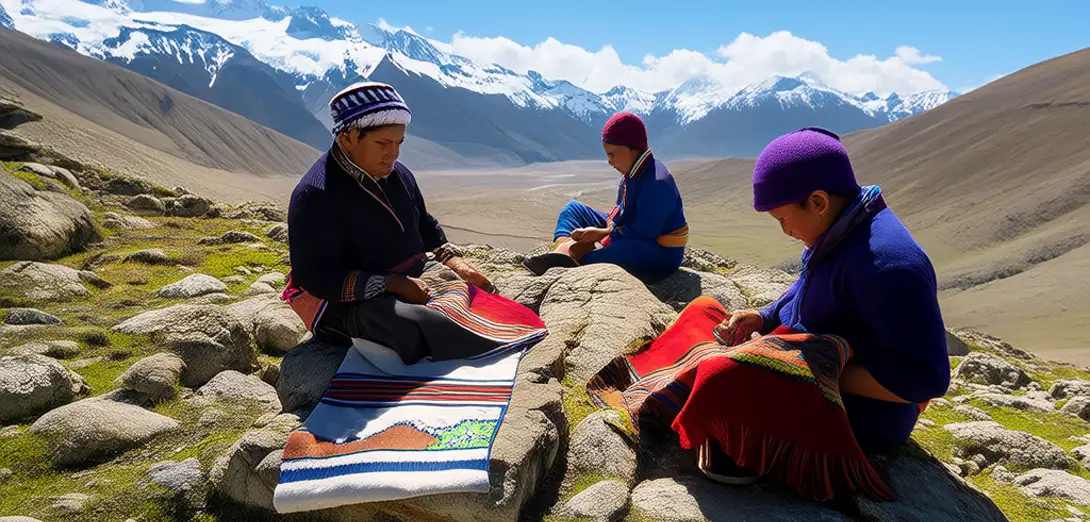
Peruvian Q’eros Weaving: Textiles as Decolonial Knowledge Systems
秘鲁克罗人编织:作为去殖民知识体系的纺织品
-
Q’eros weavers in the Andes encode glacial retreat rates, soil pH shifts, and ancestral migration routes into textile patterns—using dye chemistry derived from lichen species whose habitats are vanishing due to climate change.安第斯山脉的克罗人织工将冰川消退速率、土壤pH值变化及祖先迁徙路线编码进纺织图案中——所用染料源自地衣,而这些地衣因气候变化正丧失栖息地。
-
Lima’s Museo de Arte de Lima now catalogs weaving motifs alongside satellite imagery, creating bilingual databases where a single geometric repeat corresponds to 3.7 meters of measured glacier loss since 1982.利马艺术博物馆如今将织物纹样与卫星影像并列归档,建立双语数据库,其中单个几何重复单元对应自1982年以来实测的3.7米冰川消退量。
-
When Peruvian geologists collaborate with Q’eros elders on water management, they analyze textile sequences as primary data sources—not illustrations—cross-referencing warp tension with aquifer recharge cycles.秘鲁地质学家与克罗族长老合作开展水资源管理时,将纺织序列视为原始数据源而非图解,通过比对经线张力与含水层补给周期进行交叉验证。
-
The Spanish colonial ban on q’ero textiles lasted 327 years; today, UNESCO-recognized master weavers require formal certification in both Quechua cosmology and GIS mapping to teach apprentices.西班牙殖民时期对克罗纺织品的禁令持续了327年;如今,联合国教科文组织认证的织造大师须同时精通克丘亚宇宙观与GIS制图,方能获得授徒资格。
-
A Berlin-based fashion brand’s 2023 ‘Andean Data Collection’ line sparked controversy when it licensed motifs without compensating the cooperative’s knowledge-licensing trust—a case now cited in WIPO’s indigenous IP guidelines.一家柏林时尚品牌2023年推出的‘安第斯数据采集’系列引发争议:其在未向合作社知识授权信托支付报酬的情况下许可使用纹样,该案现已被纳入世界知识产权组织原住民知识产权指南。
-
Q’eros textile cooperatives negotiate mining concessions by presenting woven ‘territorial memory maps’ to government panels—documents recognized as legal evidence in land-rights courts since 2021.克罗纺织合作社向政府委员会呈交手织‘领土记忆地图’以协商采矿权——此类文件自2021年起已在土地权益法庭被承认为合法证据。
-
University anthropology departments now require students to complete six months of weaving apprenticeship before conducting fieldwork, treating textile literacy as prerequisite epistemological training.大学人类学系现要求学生完成六个月织造学徒训练后方可开展田野调查,将纺织素养视为认识论层面的必备前置训练。
-
Digital archivists in Cusco scan textiles at 1200 dpi, then use spectral analysis to recover faded dyes—revealing hidden layers of ecological data invisible to the naked eye.库斯科数字档案员以1200dpi扫描织物,再借助光谱分析复原褪色染料——揭示肉眼不可见的生态数据隐层。
-
When NASA scientists studied Andean cloud-forest resilience, they consulted textile archives before deploying sensors—finding centuries-old pattern correlations with current microclimate variables.美国宇航局科学家研究安第斯云雾林韧性时,先查阅纺织档案再部署传感器——发现数世纪前的图案与当前微气候变量存在显著相关性。
-
Q’eros youth blend traditional looms with Arduino sensors, creating responsive textiles that change color with soil moisture levels—merging ancestral taxonomy with real-time environmental monitoring.克罗青年将传统织机与Arduino传感器融合,创制响应式织物:土壤湿度变化即触发色彩改变——实现祖传分类法与实时环境监测的结合。
-
The Peruvian Ministry of Culture funds ‘weaving diplomacy’ initiatives, gifting ceremonial textiles to UN climate delegates—with motif annotations translated into scientific terminology.秘鲁文化部资助‘织造外交’项目,向联合国气候会议代表赠送仪式性织物,并将纹样注释译为科学术语。
-
These cloths resist commodification not by rejecting markets, but by insisting that every thread carries ontological weight—transforming fabric into sovereign knowledge territory.这些织物并非靠拒斥市场来抵制商品化,而是坚持每一根纱线皆承载本体论分量——使布料升华为自主的知识疆域。