正在确认阅读权限…
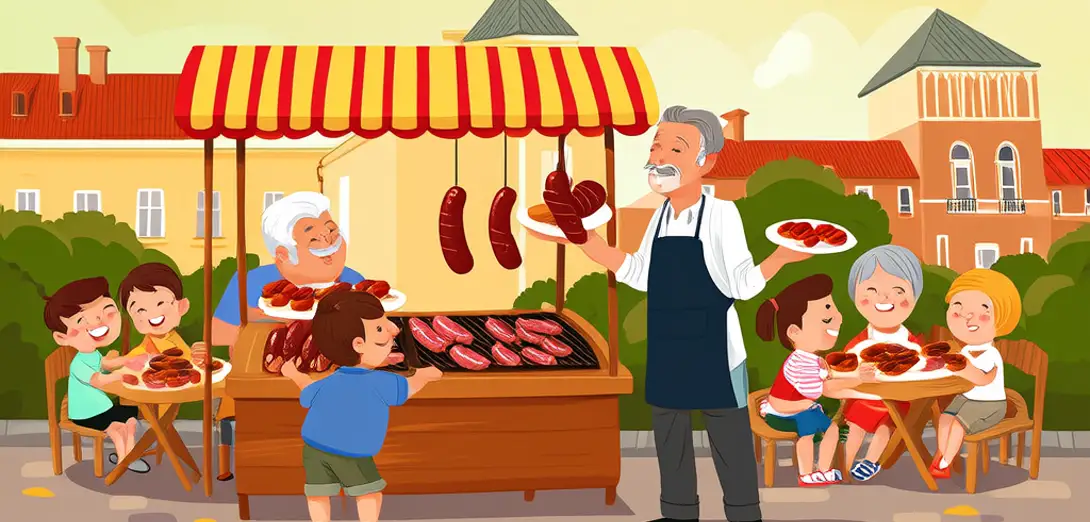
Serbian Ćevapi Gatherings: Meat, Memory, and Post-Conflict Social Architecture
塞尔维亚切瓦皮聚会:肉类、记忆与后冲突社会架构
-
Belgrade’s Ćevapi stands operate as unofficial neighborhood archives: grill masters recall patron life events—weddings, layoffs, funerals—through decades of meat-order patterns and side-dish preferences.贝尔格莱德的切瓦皮摊位充当着非官方的社区档案:烤肉师傅通过数十年来的点肉习惯和配菜偏好,记住顾客的人生大事——婚礼、裁员、葬礼。
-
The standard five-ćevapi portion isn’t arbitrary; it mirrors pre-war Yugoslav labor law provisions for meal breaks, subtly reinforcing socialist-era notions of collective sustenance rights.标准的五串切瓦皮份量并非随意设定,而是呼应了战前南斯拉夫劳动法中关于工间餐的规定,悄然强化了社会主义时代集体生存权的理念。
-
When EU accession negotiations stalled in 2012, Belgraders spontaneously organized ‘Ćevapi solidarity queues’—extending wait times to three hours as performative resistance against bureaucratic delays.2012年欧盟入盟谈判陷入停滞时,贝尔格莱德市民自发组织‘切瓦皮团结排队’,将等候时间延长至三小时,以行动式抵抗官僚拖延。
-
Urban planners now cite Ćevapi stand density as a metric for neighborhood social resilience, correlating shorter wait times with higher rates of post-conflict reconciliation initiatives.城市规划者如今将切瓦皮摊密度作为衡量社区社会韧性的指标,等候时间越短,战后和解倡议的参与率越高。
-
Academic ethnographies document how grill smoke patterns function as nonverbal signaling systems: dense plumes indicate celebratory gatherings, while thin, steady smoke marks mourning vigils.人类学民族志记载,烤架烟雾形态构成一套非语言信号系统:浓密烟柱标志庆祝聚会,稀薄而稳定的烟迹则标记守夜哀悼。
-
Serbian diplomats host foreign envoys at historic Ćevapi stalls—not for authenticity, but to demonstrate continuity of civic space despite political rupture.塞尔维亚外交官常邀外国使节造访历史悠久的切瓦皮摊——并非追求 authenticity(原真性),而是展现政治断裂下公民空间的延续性。
-
A Belgrade university’s conflict resolution program requires students to manage a pop-up Ćevapi stall for one semester, mastering timing, portion equity, and dispute mediation under heat-induced stress.贝尔格莱德某大学冲突调解课程要求学生一学期运营临时切瓦皮摊,在高温压力下掌握出餐节奏、分量公平与纠纷调解。
-
When Serbian refugees returned from Bosnia in the 2000s, re-establishing Ćevapi stands was often their first act of territorial reclamation—more potent than property deeds.2000年代塞尔维亚难民从波黑返乡后,重建切瓦皮摊往往是其领土重占的第一步——比地契更具象征力量。
-
Food safety inspectors use DNA barcoding to verify meat origins, ensuring compliance with EU regulations while protecting heirloom cattle breeds tied to specific river valleys.食品安全检查员采用DNA条形码技术追溯肉源,既确保符合欧盟法规,也保护与特定河谷绑定的传世牛种。
-
Contemporary artists embed QR codes in grilled-meat char patterns, linking to oral histories of displaced communities—turning street food into augmented-reality memory portals.当代艺术家将二维码嵌入烤肉焦痕图案,扫码可链接流离社群的口述史——让街头小吃变身增强现实的记忆门户。
-
The Serbian Academy of Sciences now classifies Ćevapi preparation techniques as ‘intangible urban infrastructure’—as vital to social cohesion as public transit networks.塞尔维亚科学学院现已将切瓦皮制作技艺列为‘非物质城市基础设施’,其对社会凝聚力的重要性不亚于公共交通网络。
-
What appears as culinary tradition functions as Serbia’s most widely distributed peacebuilding architecture: edible, adaptable, and insistently communal.看似饮食传统的切瓦皮,实为塞尔维亚分布最广的和平建设架构:可食用、可调适、且坚定强调共同体。