正在确认阅读权限…
Historical Humanities Extension: Independent Reading (2026-D031)
历史人文延展阅读·独立成篇(2026-D031)
-
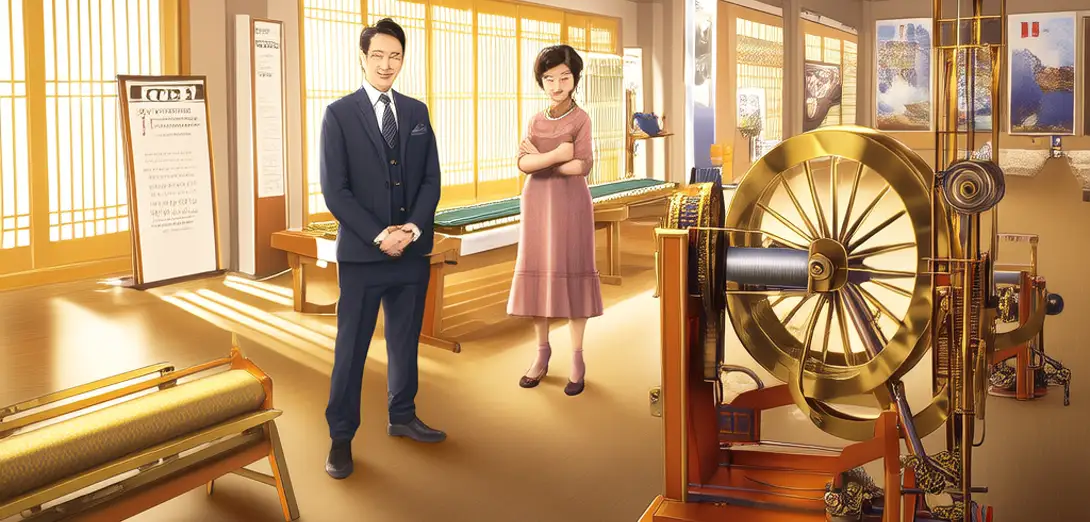
The 1931 Tokyo International Textile Exhibition displayed silk looms beside automated cotton spinners—framing technological progress as cultural continuity, not rupture.1931年东京国际纺织品博览会上,丝绸织机与自动化棉纺机并列展出,将技术进步诠释为文化延续,而非断裂。
-
Japanese designers used traditional *yuzen* dyeing techniques on rayon fabric, marketing it as ‘modern kimono material’ for urban working women.日本设计师将传统友禅染技法应用于人造丝面料,将其定位为‘现代和服面料’,专供都市职业女性。
-
British exhibitors countered with Lancashire cotton samples treated with anti-static compounds, positioning industrial chemistry as civilizational advancement.英国参展商则以经抗静电化合物处理的兰开夏棉样回应,将工业化学视为文明进步的标志。
-
Indian delegates showcased handspun khadi cloth not as ‘backward,’ but as deliberate resistance—embedding Gandhi’s ethics into fiber tensile strength and dye fastness.印度代表展出的手工纺制土布并非标榜‘落后’,而是刻意为之的抵抗——将甘地的伦理观融入纤维拉伸强度与染色牢度之中。
-
Exhibition catalogs included technical specifications side-by-side with poetic descriptions: one Swiss wool sample was labeled ‘alpine resilience, 18 microns, ISO 6330 washable’.展览图录将技术参数与诗意描述并置:一款瑞士羊毛样品标注为‘阿尔卑斯韧性,18微米,符合ISO 6330可水洗标准’。
-
Photographers documented visitors touching fabrics—curators noting which textures triggered longer dwell times, informing later museum sensory-design protocols.摄影师记录观众触摸面料的瞬间;策展人留意哪些质地引发更长驻足时间,由此影响后续博物馆感官设计规范。
-
The French pavilion’s lighting mimicked Parisian ateliers, while the Soviet section used stark factory fluorescents—design choices communicating ideological proximity to labor.法国馆灯光模拟巴黎工作室氛围,苏联展区则采用冷峻的工厂荧光灯——设计选择传递出各自对劳动的意识形态亲近感。
-
Trade negotiations occurred not in boardrooms, but beside loom demonstrations where tension calibrations and shuttle speeds became proxies for national productivity claims.贸易谈判不在会议室进行,而是在织机演示旁展开,张力校准与梭速成为各国生产力主张的代名词。
-
Today’s sustainable fashion summits replicate this format—comparing carbon footprint metrics alongside artisan interviews and yarn traceability maps.当今可持续时尚峰会沿袭这一模式——并列呈现碳足迹数据、手工艺人访谈与纱线溯源地图。
-
What unified these disparate displays was a shared belief: that material culture communicates competence more credibly than speeches ever could.将这些迥异展示统一起来的,是一种共同信念:物质文化比任何演讲都更能可信地传达能力。
-
Technology, here, was never just function—it was rhetoric made tactile, diplomacy woven thread by thread.在此,技术从来不只是功能——它是可触的修辞,是经纬交织的外交。