正在确认阅读权限…
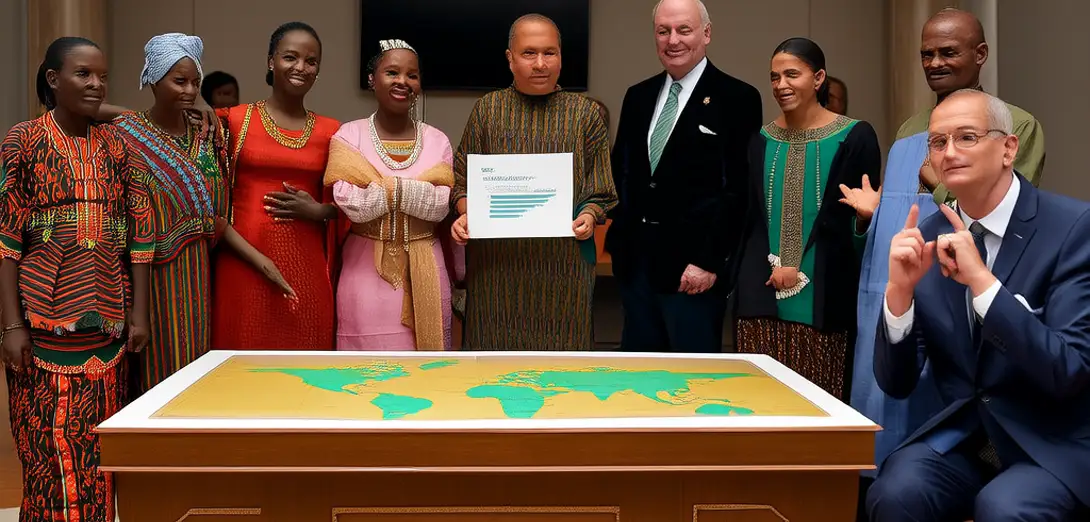
North-South Tensions in Climate Diplomacy: Equity and Historical Responsibility
气候外交中的南北张力:公平性与历史责任
-
Developing nations emphasize historical emissions and colonial legacies when challenging climate finance commitments from industrialized states.发展中国家在质疑发达国家气候融资承诺时,强调历史排放和殖民遗留问题。
-
The principle of 'common but differentiated responsibilities' remains contested, especially as emerging economies expand coal infrastructure rapidly.‘共同但有区别的责任’原则仍存争议,尤其在新兴经济体快速扩建煤电基础设施的背景下。
-
Small island states demand loss-and-damage funding, yet face procedural barriers in accessing multilateral climate funds effectively.小岛屿国家要求设立损失与损害资金,却在有效获取多边气候资金时面临程序障碍。
-
Northern negotiators prioritize technological innovation and carbon markets, often sidelining adaptation priorities of vulnerable regions.北方谈判代表优先考虑技术创新与碳市场,常忽视脆弱地区的适应需求。
-
Debates over 'carbon colonialism' reflect deeper tensions about who defines sustainability standards and controls green transition pathways.围绕‘碳殖民主义’的争论,折射出谁来定义可持续标准、掌控绿色转型路径的深层张力。
-
Trust deficits persist due to unmet pledges like the $100 billion annual climate finance target promised since 2009.因2009年以来承诺的每年1000亿美元气候融资目标迟迟未兑现,信任赤字持续存在。
-
Climate summits reveal structural asymmetry: Southern delegations often lack legal expertise or real-time translation for complex technical texts.气候大会暴露结构性不对称:南方代表团往往缺乏法律专业能力,也难以获得复杂技术文本的实时翻译。
-
Fossil fuel phaseout timelines diverge sharply—EU targets 2045 while several African nations project peak emissions only after 2050.化石燃料淘汰时间表差异显著——欧盟目标为2045年,而多个非洲国家预计峰值排放将迟至2050年后。
-
Southern voices increasingly frame climate justice through intergenerational ethics and Indigenous land stewardship models.南方声音日益以代际伦理和原住民土地治理模式来阐释气候正义。
-
Technical language around 'nationally determined contributions' masks profound disagreements on burden-sharing, accountability, and temporal equity.‘国家自主贡献’等技术术语掩盖了在责任分担、问责机制和时间公平上的根本分歧。
-
Negotiation outcomes frequently reflect diplomatic leverage rather than scientific urgency or moral consistency.谈判结果往往反映外交实力对比,而非科学紧迫性或道德一致性。
-
This imbalance challenges the very legitimacy of global environmental governance in an era of polycentric power.这一失衡挑战着多中心权力时代全球环境治理本身的合法性。