正在确认阅读权限…
Historical Humanities Extension: Independent Reading (2026-D046)
历史人文延展阅读·独立成篇(2026-D046)
-
The 1955 Bandung Conference’s official transcript runs 217 pages—but its unofficial archive includes 387 handwritten notes exchanged between delegates during coffee breaks and committee adjournments.1955年万隆会议官方记录共217页,但非正式档案却包含387份代表们在茶歇与委员会休会期间交换的手写笔记。
-
Nehru’s margin comments on Nkrumah’s draft speech critique rhetorical framing, not substance—suggesting ‘colonial legacy’ be replaced with ‘structural dependency’ for wider resonance.尼赫鲁在恩克鲁玛演讲草稿上的批注聚焦修辞框架而非实质内容,建议将‘殖民遗产’改为‘结构性依附’以引发更广泛共鸣。
-
A single page from Sukarno’s notebook lists twelve potential slogans, crossed out and revised until settling on ‘Unity in Diversity’—later adopted as ASEAN’s foundational principle.苏加诺笔记本的一页列出了十二个备选口号,反复删改后最终定为‘求同存异’——后成为东盟的立盟原则。
-
Delegates shared cassette recordings of folk music, comparing rhythmic structures to find metaphors for non-aligned cooperation—polyrhythms as governance model.代表们互换民间音乐磁带,通过比较节奏结构寻找不结盟合作的隐喻:以复节奏作为治理模型。
-
The conference’s mimeographed press kits used soy-based ink on recycled paper, signaling ecological intent decades before ‘green diplomacy’ entered lexicons.会议油印新闻包采用大豆油墨印于再生纸上,早在‘绿色外交’一词进入词典数十年前,便已彰显生态意识。
-
Translators developed ad-hoc glossaries for terms like ‘self-determination’—not as fixed translations, but as contextual explanations tied to each nation’s liberation struggle.译员为‘自决’等术语临时编纂词汇表——并非固定译法,而是结合各国解放斗争背景给出的情境化解释。
-
Photographs show Burmese and Egyptian delegates adjusting microphone heights together—technical collaboration preceding political alignment.照片显示缅甸与埃及代表共同调试麦克风高度——技术协作早于政治结盟。
-
Food menus reflected negotiation: Indonesian rendang served with Ghanaian banku, not Western bread—cultural equivalence enacted through taste, not treaty.菜单体现谈判精神:印尼仁当配加纳班库饼,而非西式面包——文化对等借味觉实现,而非条约签署。
-
Today’s climate summits replicate this informal diplomacy: COP side-events feature craft markets, oral history booths, and multilingual poetry readings.当今气候峰会延续这种非正式外交:COP边会设有手工艺市集、口述历史展台与多语种诗歌朗诵。
-
Bandung’s enduring contribution was proving that legitimacy emerges not from unanimity, but from visible, embodied processes of mutual adjustment.万隆会议的持久贡献在于证明:合法性并非源于一致同意,而来自可见、具身的相互调适过程。
-
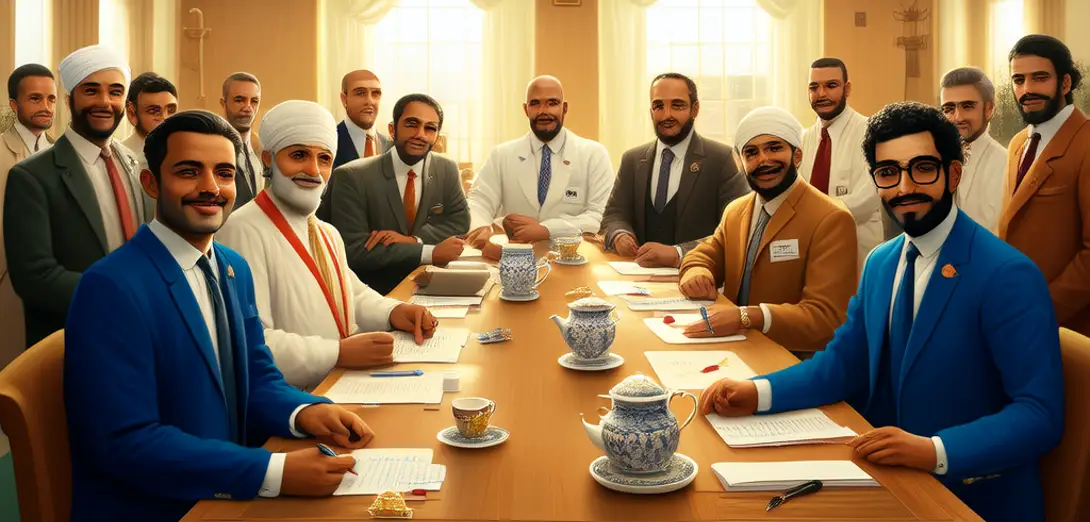
Diplomacy, in this tradition, is less about signing documents—and more about learning how to share a table, adjust a chair, and listen across accents.在此传统中,外交重在共桌而食、移椅相就、跨口音倾听,而非签署文件。