正在确认阅读权限…
Enlightenment Salons and the Architecture of Public Reason
启蒙沙龙与公共理性的空间建构
-
Parisian salons of the 1740s–1780s functioned not as social gatherings but as rigorously moderated forums for philosophical debate and textual critique.1740至1780年代的巴黎沙龙并非社交聚会,而是严格主持的哲学论辩与文本批评论坛。
-
Hostesses like Madame Geoffrin enforced strict conversational protocols: no interruptions, no religious dogma, and citations required for factual claims.如若弗兰夫人等女主人严格执行谈话规范:不得打断他人、禁止宗教教条、事实主张须引证出处。
-
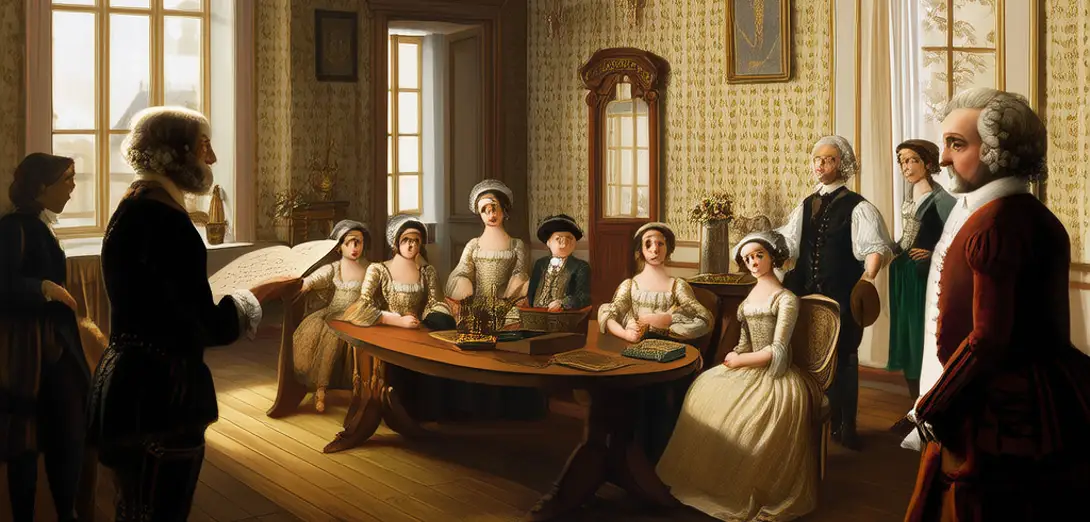
Salon architecture itself facilitated discourse—oval tables eliminated hierarchical seating, while mirrored walls amplified voice projection without shouting.沙龙建筑本身即服务于对话——椭圆桌消除了座次等级,镜面墙壁则无需高声即可增强声音传播。
-
Manuscript circulation preceded publication; Voltaire revised *Candide* based on salon feedback before its clandestine printing.手稿先于出版流传;伏尔泰根据沙龙反馈修改《老实人》,再秘密付印。
-
Critics argue that salons excluded artisans and women beyond hostess roles, revealing Enlightenment’s embedded class and gender limits.批评者指出,沙龙将工匠及非主办人的女性排除在外,暴露了启蒙运动固有的阶级与性别局限。
-
German *Tischgesellschaften* adapted this model but emphasized pedagogical discipline over Parisian wit, reflecting distinct civic ideals.德国‘餐桌社’借鉴此模式,但重教学纪律而非巴黎式的机智,折射出不同的公民理想。
-
The rise of printed journals like *Le Journal des Savants* gradually displaced salons as primary knowledge arbiters by 1780.至1780年,《学者期刊》等印刷刊物兴起,逐渐取代沙龙成为知识仲裁的主要平台。
-
Contemporary historians note how salon norms anticipated modern peer review: anonymity, evidence-based argument, and iterative revision.当代史家注意到,沙龙规范预演了现代同行评议:匿名性、证据支撑的论证、迭代式修订。
-
Coffeehouse debates in London paralleled salons but lacked their curatorial rigor, often devolving into partisan polemic instead of dialectic.伦敦咖啡馆辩论虽与沙龙并行,却缺乏其策展严谨性,常沦为党派攻讦,而非辩证探讨。
-
Architectural blueprints from 1762 show purpose-built salon rooms with acoustically tuned plasterwork and calibrated lighting for manuscript reading.1762年的建筑蓝图显示,专建沙龙房间配有声学优化灰泥与精准调光,专供手稿阅读。
-
These spaces trained generations in epistemic humility—the understanding that truth emerges from structured disagreement, not authoritative decree.这些空间培养了一代又一代人的认知谦逊——即真理源于结构化分歧,而非权威断言。
-
Their decline coincided not with revolution but with the professionalization of knowledge and the bureaucratization of intellectual life.其衰落并非始于革命,而是伴随知识专业化与知识生活官僚化同步发生。