正在确认阅读权限…
Historical Humanities Extension: Independent Reading (2026-D038)
历史人文延展阅读·独立成篇(2026-D038)
-
This reading analyzes the 1893 World's Columbian Exposition in Chicago as a site of contested cultural representation.本文分析1893年芝加哥世界哥伦布博览会作为文化表征争议的场域。
-
Indigenous delegates from thirty-two nations were confined to ethnological villages while Euro-American progress narratives dominated main pavilions.来自32个原住民族的代表被限制在人种学村落中,而欧美进步叙事则主导了主展馆。
-
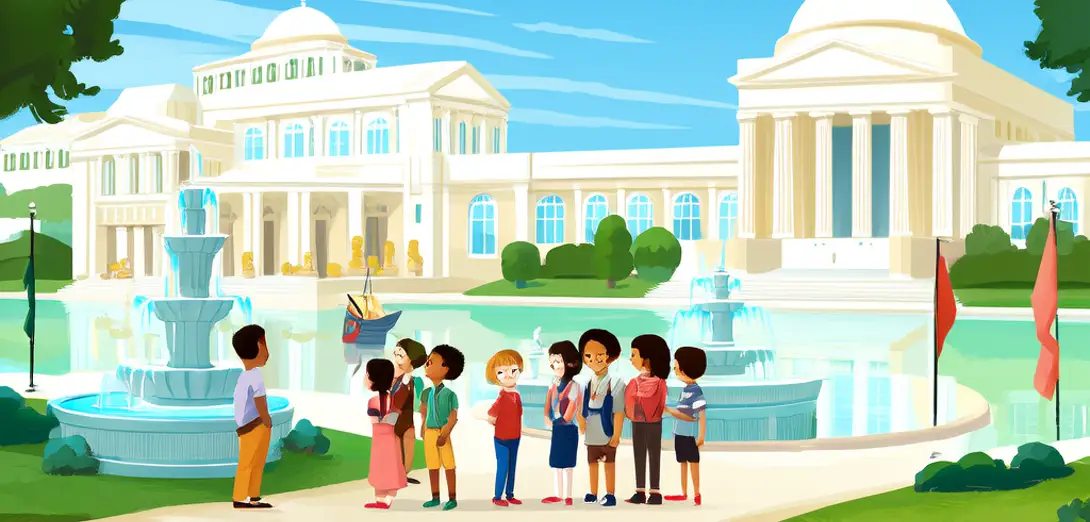
The 'White City' employed neoclassical architecture to visually assert civilizational hierarchy, contrasting sharply with adjacent Midway Plaisance exhibits.‘白城’采用新古典主义建筑,以视觉方式宣示文明等级,与毗邻的中途乐园展区形成鲜明对比。
-
Native American educators like Susan La Flesche Picotte critiqued exposition anthropology as extractive spectacle rather than collaborative knowledge exchange.苏珊·拉弗莱什·皮科特等原住民教育家批评博览会人类学为掠夺性奇观,而非协作式知识交流。
-
Japanese commissioners negotiated unprecedented autonomy—curating their own pavilion with traditional aesthetics and contemporary industrial displays.日本委员成功协商获得前所未有的自主权——自主策划展馆,融合传统美学与现代工业展品。
-
Photographic archives show Black intellectuals organizing parallel congresses on racial uplift, deliberately excluded from official programming.照片档案显示,黑人知识分子组织平行大会探讨种族提升,却遭官方日程刻意排除。
-
Exposition maps omitted Indigenous land cessions finalized just months before opening, erasing ongoing dispossession from spatial narrative.博览会地图刻意忽略开幕前数月刚完成的原住民土地割让,从空间叙事中抹去持续的土地剥夺。
-
French sociologist Émile Durkheim cited exposition data in formulating theories of collective effervescence and secular ritual.法国社会学家埃米尔·涂尔干援引博览会数据,提出集体欢腾与世俗仪式理论。
-
Souvenir programs translated 'progress' into measurable metrics—railway mileage, patent filings, literacy rates—excluding non-Western epistemologies.纪念手册将‘进步’转化为可量化指标——铁路里程、专利申请数、识字率——排斥非西方认知体系。
-
Architect Daniel Burnham’s correspondence reveals explicit intent to use exposition design to stabilize Gilded Age social anxieties.建筑师丹尼尔·伯纳姆的信件表明,其明确意图是借博览会设计缓解镀金时代的社会焦虑。
-
Contemporary Indigenous artists now reinterpret exposition imagery in multimedia installations reclaiming narrative agency.当代原住民艺术家通过多媒体装置重新诠释博览会图像,重掌叙事主导权。
-
The exposition’s legacy lies less in technological display than in exposing how world fairs codify cultural hierarchies through spatial logic.该博览会的遗产不在于技术展示,而在于揭示世博会如何借空间逻辑固化文化等级。