正在确认阅读权限…
Historical Humanities Extension: Independent Reading (2026-D018)
历史人文延展阅读·独立成篇(2026-D018)
-
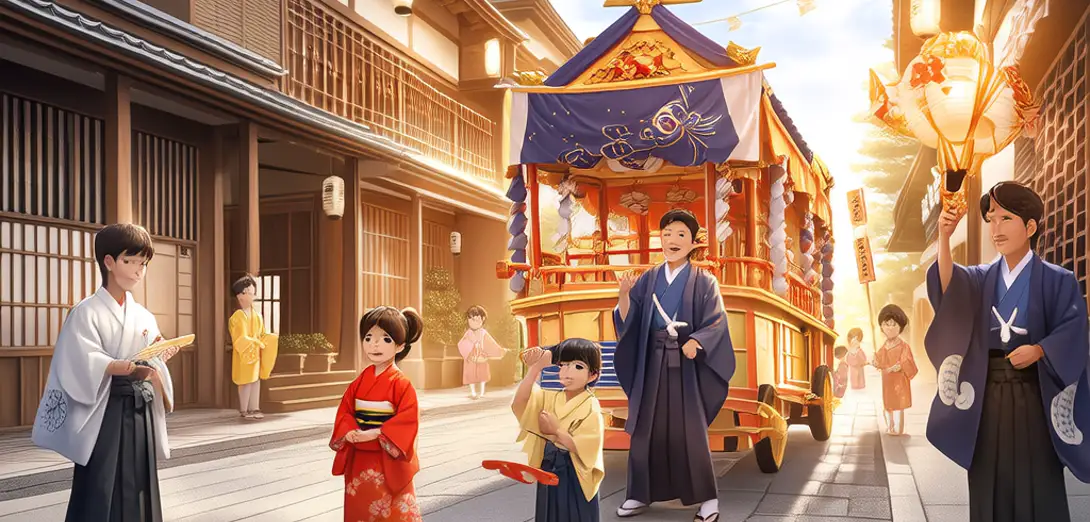
In Kyoto, the Gion Matsuri festival preserves Heian-era ceremonial protocols through meticulously choreographed yamaboko processions and shrine-bound mikoshi parades.在京都,祇园祭通过精心编排的山鉾巡游和神轿进神社仪式,延续着平安时代的礼仪规范。
-
Local merchant families maintain century-old guild traditions by sponsoring specific floats while adhering to strict seasonal rehearsal schedules and textile dyeing techniques.当地商人家族通过赞助特定花车,恪守严格的季节性排练日程与传统染织技艺,维系着百年行会传统。
-
Unlike commercialized festivals elsewhere, Gion’s core rituals remain closed to outsiders, reinforcing community memory through embodied practice rather than spectatorship.不同于其他商业化节日,祇园祭的核心仪式对外封闭,依靠身体实践而非旁观来强化社区集体记忆。
-
The July 17 and 24 processions reflect not folklore but institutional continuity—archival records confirm near-identical routes since 1634.七月十七日与二十四日的巡游并非民俗表演,而是制度延续——档案记载显示,其路线自1634年起几乎未曾改变。
-
Participants wear layered silk kimono with hand-stitched motifs signifying ancestral trade affiliations, not generic 'Japanese' aesthetics.参与者身着多层真丝和服,其手工刺绣纹样体现家族世代从事的行业渊源,而非泛泛的‘日本风’美学。
-
Even modern infrastructure adjustments—like temporary street closures—are negotiated annually with Kyoto City Hall to preserve ritual chronology over traffic efficiency.就连现代基础设施调整——如临时封路——也须每年与京都市政府协商,以确保仪式时间秩序优先于交通效率。
-
Scholars note how the festival’s silence during WWII occupation became a quiet act of cultural sovereignty, later reactivated as postwar civic reconstruction.学者指出,二战占领期间节日的沉默本身即是一种静默的文化主权宣示,战后则转化为 civic 重建的重要载体。
-
Contemporary debates focus less on authenticity and more on intergenerational knowledge transfer amid declining artisan apprenticeships and aging float custodians.当代讨论焦点已从‘真实性’转向代际知识传承,直面手工艺学徒减少与花车守护者老龄化等现实挑战。
-
Digital archives now supplement oral transmission, yet elders insist that rope-tension calibration or drumbeat tempo cannot be learned from screens alone.数字档案虽已辅助口传授业,但长者坚持:绳索张力校准与鼓点节奏,仅靠屏幕无法习得。
-
The festival functions as living historiography: each float’s lacquer, calligraphy, and music encodes layered decisions made across thirty generations.该节日本身就是一部活态史学:每座花车的漆艺、书法与乐曲,皆凝结着三十代人层层叠加的抉择。
-
Its endurance lies not in static preservation but in adaptive fidelity—changing materials while conserving intention, scale while honoring hierarchy.其持久力不在于僵化保存,而在于适应性忠诚——材料可变,初衷不变;规模可调,等级必守。
-
Gion Matsuri thus models how tradition operates as disciplined improvisation within historically anchored constraints.因此,祇园祭昭示了传统如何在历史锚定的约束中,以高度自律的即兴方式运行。